Recapping Datadog Summit Denver 2022
After a two-year hiatus, Datadog customer summits are back. And what better place to begin in-person again than in sunny Denver, Colorado!


After a two-year hiatus, Datadog customer summits are back. And what better place to begin in-person again than in sunny Denver, Colorado!
As we previously discussed in the Automating Your Cloud Security Posture Management (CSPM) Response blog post, CSPM is a vital component in any environment leveraging cloud services. Whether you are using a single cloud or are in a multi-cloud scenario, the complexity of these cloud platforms is constantly expanding. Staying on top of new changes in policies and functionality to ensure that you are maintaining a secure environment is daunting - and almost impossible to do without automation. No one has the resources to spend on maintaining a large team of cloud specialists who just audit everything that is in use.
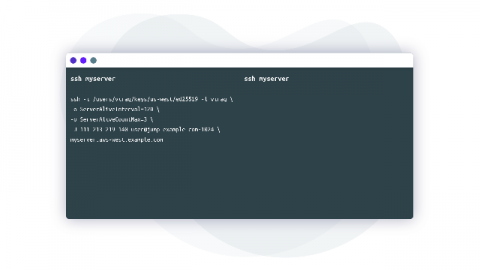
This blog post covers some of my favorite settings for configuring the behavior of an ssh client (i.e. what is in the man pages for ssh_config). Whether you are looking to add some additional security constraints, minimize failures, or prevent carpal tunnel, ssh_config is an often underutilized, yet powerful tool. While the examples in this article focus on ssh configurations on unix based systems like linux and macOS, running an ssh server on windows is supported using openSSH.
Wiper’s main objective is to destroy data from any storage device and make the information unavailable (T1485). There are two ways of removing files, logical and physical. Logical file removal is the most common way of erasing a file, performed by users daily when a file is sent to (and emptied from) the Recycle bin, or when it is removed with the command line or terminal with the commands del/rm.
COBIT is an acronym for Control Objectives for Information and Related Technologies. The COBIT framework was created by Information Systems Audit and Control Association, ISACA to bridge the crucial gap between technical issues, business risks and control requirements. COBIT is an IT governance framework for businesses that want to implement, monitor and improve their IT management best practices.
When protecting an organisation against cyber attacks, the words security threats, vulnerabilities, risk exposure, and sometimes exploits are seen very commonly. Unfortunately, these terms are not used correctly or interchangeably and are often left undefined.
Your organization’s attack surface can be a tricky thing to monitor. In our connected world, it seems like your attack surface is always expanding. That’s probably true. Attack surface expansion has exploded, driven by cloud adoption, the use of SaaS (software as a service) tools, and the fact that so many organizations have come to rely on third-party vendors.
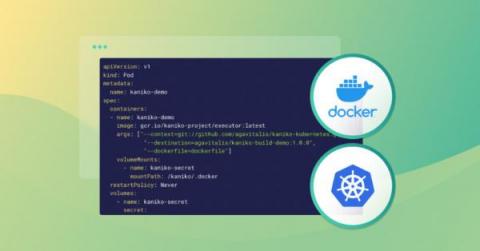
Hosting a CI/CD platform on Kubernetes is becoming more common among engineers. This approach saves time through automation, ensures consistent deployments, and makes it easier to monitor and manage microservices. However, building container images in Kubernetes clusters involves some technical hurdles that require workarounds. In this article, we’ll explore some ways to build Docker images in a Kubernetes cluster for CI/CD processes.
Every Kubernetes developer’s favorite time of year is just around the corner, Kubecon EU 2022! Whether you’re attending in person in beautiful Valencia, Spain, or watching the conference from your couch at home, here are a few reasons why — if you operate any Kubernetes infrastructure — you need Teleport.
It’s a tough time for small business owners and their employees. Surging operational costs and supply chain issues are colliding with a rate of inflation that’s limiting how much consumers are willing and able to spend. And as the pandemic continues, there could be more legal and economic hurdles on the way. Startups and other small businesses are fighting to keep their doors open, or to open them in the first place.