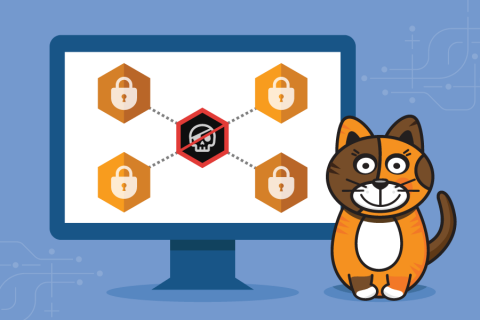


The old security model, which followed the “trust but verify” method, is broken. That model granted excessive implicit trust that attackers abused, putting the organization at risk from malicious internal actors and allowing unauthorized outsiders wide-reaching access once inside. The new model, Zero Trust networking, presents an approach where the default posture is to deny access.
We’ve all been subjected to quaint media features that try to make business leaders seem like a joyful walk on the beach. They usually have a title like, “A Day in the Life of the CIO,” and they are laden with tropes that try to make the person relatable (“…and at 9:34 am, I finally get around to drinking that latte I got at Starbucks on the way into work!”), but truly the whole thing is just an annoying ploy to make you feel inadequate.
In the world of cybersecurity preparedness, there are a variety of strategies organizations large and small can take to help protect their networks and data from cyber-attacks. One such strategy involves an organization testing its own environment for security vulnerabilities. But because security weaknesses come in different forms, it’s necessary to have a focused security team that comprehensively searches for vulnerabilities that go beyond simple risk assessments.
By now, most are aware that the Covid-19 pandemic has led to a spike in cyberattacks. This sharp increase in malicious activity related to COVID has taken the typical form of adversaries seeking to benefit financially, gain unauthorized access to networks for immediate and long-term strategic benefit, and spread misinformation with political agendas.
Data is only as good as what you are able to do with it. Not only does the cybersecurity universe collect data, but individual enterprises also collect cybersecurity data from within their organization as well as from external sources in order to add to more context and relevance. All data needs to be analyzed in order to create actionable insights.
In the last article, we discussed various types of reports a SIEM solution offers. We also threw light on how reports are arranged block-wise on Logsign SIEM along with other features. In this article, we explore how you can customize an existing report to suit your requirements. To start with, go to the Reports and Analysis section and select any report that you wish to customize.
We recently carried out a survey of 200 UK enterprises across e-Commerce, financial services, entertainment and travel. In part two of our blog series, we discussed the current state of bot attacks. As we continue our blog series, we investigate how bots are affecting different industries. We surveyed enterprises in the industries we saw as the most at risk.
Security information and event management (SIEM) solutions offer businesses the ability to collect, store, and analyze security information from across their organization and alert IT admins/security teams to potential attacks. In today’s complex digital environments, SIEMs allow IT teams to more effectively detect and respond to a wide range of threats across broad networks.
As a consumer, I feel more confident about using my credit card online and in brick-and-mortar stores when I know retailers are being careful about PCI DSS compliance. Breached financial credentials can wreak havoc not only on the lives of consumers, but also on the well-being of merchant businesses. I think the PCI DSS is an excellent example of how security standards can be improved when organizations cooperate and collaborate.