Security | Threat Detection | Cyberattacks | DevSecOps | Compliance

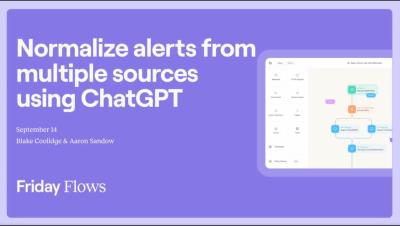
Friday Flows Episode 6: Normalize Alerts with ChatGPT

The strides in GenAI have been remarkable this year, but we're all still trying to figure out how to impact our day-to-day work. In this demo, we use AI in the best way we know how to at Tines: by speeding up a security analyst's work and making their life a little easier! Use ChatGPT to normalize alert formats, in this case from CRWD. Alerts from multiple sources are converted into a standard format for easier processing by a SOC, and a ticket is then created.
How Social Engineering Took Down MGM and Caesars

Two major players in hospitality and gaming, MGM and Caesars, were victims of two, separate cyber attacks. While the details are still unknown, what is known is that Caesars paid the hackers a multi-million dollar ransom, and that both attacks began with social engineering.

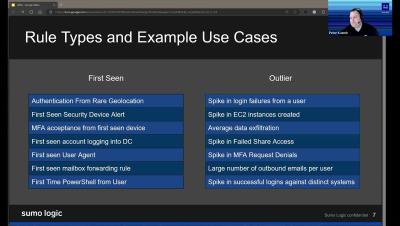
Using Scheduled Detection & Response Rules

In this session, we look at how to best use LimaCharlie’s schedule driven detection & response rules. Schedule-driven events allow you to utilize D&R rules to help automate information collection and other organization-specific operations. They can also be critical to gathering health details from your organization, allowing for easy package enumeration or sensor health checks.

Operationalizing DevSecOps Roundtable

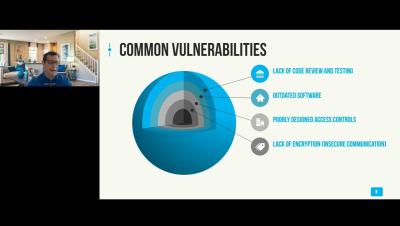
DevSecOps best practices are increasingly being adopted to better secure software supply chains. The challenge, though, is finding ways to operationalize these processes so they’re seamless and development and deployment don’t slow down. Join Shiri Arad Ivtsan, Senior Director of Product Management – Mend.io, in this editorial roundtable as these experts explore the challenges DevOps teams and developers face in operationalizing security into their workflows and processes, what’s taking so long to do so and how AI and automation can help.