Security | Threat Detection | Cyberattacks | DevSecOps | Compliance


Using a Password Manager When Changing iPhones
You should use a password manager when upgrading to a new iPhone because it will make transferring all your account credentials more seamless and you’ll be able to update any weak passwords, making your accounts more secure. Although Apple provides a built-in password manager, iCloud Keychain is not as safe as using a dedicated password manager. A password manager offers more security and convenience to store, manage and share your personal information.

Protecting Users from Malicious Sites with Falcon for Mobile
Today, mobile devices are ubiquitous within enterprise environments. But with their proliferation, it provides adversaries with yet another attack surface with which they can target users and cause a breach. From phishing attacks to malicious apps, mobile users tend to let their guard down and potentially click on obfuscated links to malicious sites. Falcon for Mobile protects users by preventing connections to malicious sites on both iOS and Android devices.
Small Screens, Big Risks: Falcon for Mobile Releases New Innovations to Accelerate Detection and Response for Mobile Threats
Mobile devices have become critical endpoints for accessing enterprise applications, systems and data. Adversaries know this all too well, as evidenced by the growing numbers of attacks that target mobile devices. Verizon’s 2022 Mobile Security Index found almost half (45%) of enterprises had recently suffered a mobile-related compromise involving devices in the last 12 months — almost double the amount compared to the year prior.

Navigating the Supply Chain Security Maze with SBOMs
Security Magazine reported more than 2,200 daily cyberattacks, which translates to roughly one cyberattack occurring every 39 seconds! As these stakes in cybersecurity continue to reach higher and higher levels, it becomes even more crucial to emphasize securing the very bedrock of elements upon which our digital existence is built.
Mastering Mobile Application Security Assessments: A Guide
In a rapidly evolving digital landscape, our reliance on mobile applications has increased dramatically. Yet, this rapid growth has also led to correspondingly soaring risks in security.

How to Ensure the Security of Mobile Gadgets
Azure Security Best Practices: A Comprehensive Guide
Mobile applications have a large share of digital assets, due to their frequent presence in everyday life. As we progress towards a digital age, cybersecurity is an ever-growing concern.
An Introduction to Mobile App API Security
Mobile app security refers to the measures, protocols, and practices implemented to protect a mobile application, its data, and its users from unauthorized access, data breaches, vulnerabilities, and cyberattacks. This includes implementing encryption, authentication, access controls, secure coding practices, and regular security assessments to mitigate specific threats and risks to the mobile app and its ecosystem.
Beware of Fake iPhone 15 Upgrade Emails
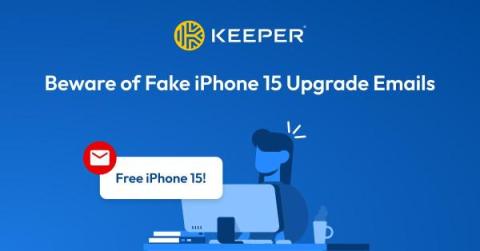
With the new iPhone 15 release, scammers are taking advantage by impersonating mobile carriers or Apple support, claiming their target is eligible for a free or discounted iPhone upgrade. The scammer’s goal is to get their target to provide personal and financial information which is then used to attempt identity theft or make unauthorized charges. Read on to learn what signs to look out for and what to do if you fall victim to this iPhone 15 scam.