Laurie brings vulnerability management expertise and revenue leadership to help enterprises bridge the gap between AI discovery and machine-speed action.
New right-sized offering brings advanced encryption, easy API integration, and HITRUST-certified compliance to the most underserved segment in healthcare email - with pricing starting at $99/month.
Hernandez brings decades of cybersecurity leadership and experience scaling enterprise software platforms, positioning the company for continued growth.
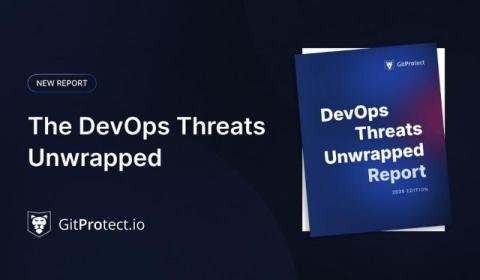
With 607 recorded incidents, DevOps platforms experienced a 21% year-over-year increase, while total disruption time nearly doubled to 9,255 hours in 2025. This marks a clear rise in both the frequency and severity of outages compared to the previous year, according to the latest GitProtect Report.
Comprehensive visibility and anomaly detection now available for agents built with Google Cloud's Agent Development Kit and multi-agent workflows via the upcoming Google Agent Gateway.
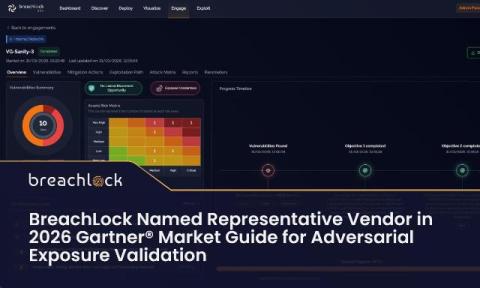
BreachLock, a global leader in offensive security, today announced it has been named a representative vendor in the 2026 Gartner Market Guide for Adversarial Exposure Validation.
London, 21st April - Obrela has released its Digital Universe Report 2025, revealing a significant shift in the global cyber threat landscape as attackers move away from high-volume attacks toward more targeted, stealth-driven techniques focused on identity, access and persistence.