Security | Threat Detection | Cyberattacks | DevSecOps | Compliance

How have you seen successful organizations integrate HIPAA compliance into their everyday operations rather than treating it as just an annual audit requirement?

In this article Organizations that treat HIPAA compliance as a living, breathing part of their operations, not just an annual checkbox, are the ones best positioned to protect patient data, mitigate risk, and build enduring trust with patients and partners.

Unlock seamless HIPAA compliance in multi-cloud environments with TrustCloud

In this article Organizations that treat HIPAA compliance as a living, breathing part of their operations, not just an annual checkbox, are the ones best positioned to protect patient data, mitigate risk, and build enduring trust with patients and partners.
Beyond PCI and HIPAA: How Feroot Powers Australian Privacy Act (APA) Compliance

Yes—if your website collects data from individuals located in Australia, the Australian Privacy Act (APA) may apply, even if your company is not based there. This law is enforced by the Office of the Australian Information Commissioner (OAIC) and governs how “APP entities” handle personal information—including that collected by websites, apps, scripts, and third-party services.

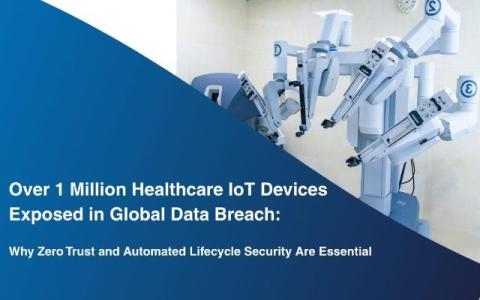
Over 1 Million Healthcare IoT Devices Exposed in Global Data Breach: Why Zero Trust and Automated Lifecycle Security Are Essential

A recent investigation by Modat has revealed a critical healthcare IoT security breach. More than one million healthcare IoT devices and connected medical systems worldwide are currently exposed online, leaking everything from MRI scans and X-rays to eye exams and blood test results. In many cases, these files are stored alongside patients’ names and other identifying details, creating a significant medical device data breach with far-reaching consequences.

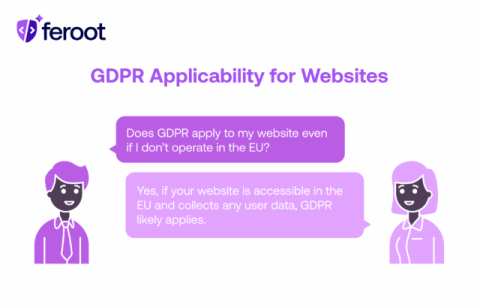
Beyond PCI and HIPAA: How Feroot Powers General Data Protection Regulation (GDPR) Compliance

Yes. If your website is accessible in the EU and collects any user data—through forms, cookies, session recordings, pixels, or embedded scripts—then GDPR likely applies. But compliance isn’t as simple as publishing a privacy policy or showing a cookie banner. Modern web apps expose personal data through invisible front-end technologies like third-party JavaScript, ad tags, tag managers, and behavioral trackers.

How NDIS Software Is Revolutionising Disability Support Services in Australia

In recent years, the disability support sector in Australia has undergone a remarkable digital transformation. With the National Disability Insurance Scheme (NDIS) at the core of service delivery, the integration of NDIS software has become a game-changer for providers and participants alike. From streamlining admin tasks to enhancing client care, NDIS software is revolutionising how disability support services operate across the country.

From Clipboard to Cloud: Upgrading Dental Reception Security with AI

Dental reception areas have come a long way. Not too long ago, check-ins involved clipboards, paper forms, and the occasional misplaced file. It was all a bit clunky. While it got the job done, it wasn't exactly secure, and it definitely wasn't efficient. Now, clinics are realising that the front desk is more than just a place to schedule appointments. It's also where patient data starts its journey, which means it has to be secure from the very beginning. That's where artificial intelligence comes in, offering smarter, safer ways to handle sensitive information.

The Hidden Costs of False Positives in Healthtech Security

When we talk about healthcare today, it’s impossible not to consider application security. As healthcare providers increasingly lean on digital solutions to deliver patient care, they are creating an explosion of healthcare data requiring protection to ensure its confidentiality, integrity, and availability.