How Hospital Hacks Happen: The Unmanaged Digital Terrain
This use case explores how hackers find a new way in to hospital networks via a connected IoT device when phishing doesn't work, and how you can manage this risk.


Millions of dollars have been stolen from healthcare companies after fraudsters gained access to customer accounts and redirected payments. In a newly-published advisory directed at the healthcare payment industry, the FBI warns that cybercriminals are using a cocktail of publicly-available Personally Identifiable Information (PII) and social engineering techniques to impersonate victims and obtain access to files, healthcare portals, payment information, and websites.
As a direct result of COVID-19 burnout, the ongoing Great Resignation trend might be impacting healthcare more than any other industry. Research shows that healthcare has already lost an estimated 20% of its workforce over the past two years. This turnover is happening top-to-bottom throughout organizations. Doctors are switching between hospitals, administrative staff are leaving the industry, and technology teams are being lured away by higher paying jobs in other sectors.
Telehealthcare Sector is one of the best innovations that could have happened to the healthcare industry. The way it fulfilled the need of the ailing person and health care providers during the pandemic in 2019 is ineffable. For the first time, everywhere in the world, people realized the power of Teleconsultation for doctors and medicines. And it continues to grow and expand to meet the requirement of the users and suppliers.
Healthcare fraud, waste, and abuse cost taxpayers billions of dollars. According to a report published in BusinessWire, the global healthcare fraud analytic market may reach US$ 5.69 billion by 2027. Detection of fraud leads to hefty fines, criminal proceedings, and incarceration for the concerned individuals in organizations. 2021 saw a peaking of medical fraud and abuse, according to the latest report of the HIPAA journal.
The buzz around decentralized clinical trials, or DCT, has captured the attention of organizations across the clinical research industry, prompting no small degree of excitement, apprehension, and speculation. DCT has some in the industry cheering, some biting their nails, and others scratching their heads. But what exactly does DCT mean—and will it truly change clinical research?
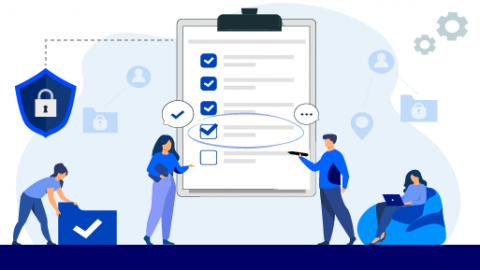
The Health Insurance Portability and Accountability Act (HIPAA) is a data privacy and security regulation for the healthcare industry. It is a comprehensive regulation that ensures your organization complies with the requirements of HIPAA. Organizations looking to achieve HIPAA Compliance must meet the requirements outlined by the regulation. Further, failure to comply with HIPAA regulations may result in substantial fines, especially in case of an incident data breach.