Security | Threat Detection | Cyberattacks | DevSecOps | Compliance

Securonix Introduces Advanced Behavioral Analytics to Detect Human and AI-Driven Threats

New solution uses behavioural intelligence and governed Agentic AI to uncover human and AI-driven threats while keeping analysts in control, backed by new ISO/IEC 42001:2023 certification for responsible AI management.
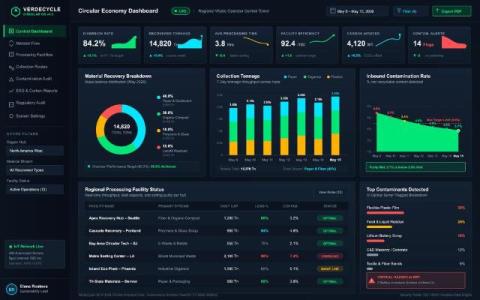

Why Carbon Data Needs the Same Controls as Financial Records

Most security teams know exactly where their financial records live, who can edit them and how every change gets logged. Ask the same questions about the company's emissions data and the answers often get vague. That gap matters more each year. Greenhouse gas figures now end up in regulatory filings, investor reports and assurance reviews, which means they carry the same risks as any other disclosed number.
Featured Post

AEBA: Why Behavioural Analytics Has to Expand Beyond Humans

For years, security teams have built behavioural models around people. We learned that valid credentials only tell so much. A user can have legitimate access to a system and still behave in a way that deserves attention, which is why User and Entity Behaviour Analytics (UEBA) became such an important part of modern security operations today - intersecting data from multiple sources over extended periods of time to build a story indicating risk has become an essential tool to identify malicious actors, both insiders and outsiders.

Can Predictive Analytics Prevent the Next Commercial Truck Accident?

Commercial trucking generates an enormous amount of information long before a vehicle ever reaches its destination. Drivers log their hours. Trucks record braking events and engine performance. Fleet systems track routes, fuel consumption, maintenance schedules, traffic conditions, and delivery times. Increasingly, businesses are trying to turn all of that information into something more valuable than a historical record.

How Geo-Targeted Attacks Evade Detection

The era of spray-and-pray cyberattacks is effectively over. Modern threat actors do not launch global, noisy campaigns. They launch highly localized, surgical strikes. They analyze regional vulnerabilities. They deploy localized phishing lures. Most importantly, they perfectly mimic local network traffic. When an attack originates from an IP address that your security perimeter explicitly trusts, traditional alarms stay silent. This is the core danger of geo-targeted evasion.

Securing Your Data Pipeline from Internal Threats

When organisations design security strategies, they often focus on building a fortress to keep external threats out. However, some of the biggest risks to data integrity don't come from outside; they start within. Securing a data pipeline, the complex system that moves information from source to destination, needs strong defences against internal threats, whether they're intentional or accidental.

Power BI HR Dashboard Examples for Better Workforce Planning

Workforce planning requires more than knowing how many employees currently work for the company. HR leaders must understand hiring needs, turnover risks, workforce costs, skill gaps, and future capacity. An HR dashboard brings these areas into one clear reporting view. It helps leaders compare workforce trends and decide where the business may need more people or better support. The right dashboard will depend on the company's goals and workforce structure. These Power BI HR dashboard examples show how different reports can support practical workforce planning.

How to Build Reliable Data Integration Pipelines That Actually Support AI and ML at Scale

AI has become surprisingly good at spotting patterns, writing code, summarizing documents, and answering complex questions. Yet many AI projects still hit the same wall long before the model becomes the problem. The real challenge often lies in something far less exciting: getting the right data to the right place, in the right format, at the right time.

8 Fleet Cybersecurity Metrics Worth Tracking

Running a modern fleet involves far more technology than it did a decade ago. Vehicles now connect with GPS devices, mobile apps, cloud platforms, maintenance software, and outside service providers. Those tools make routine work easier, but every connection also creates another place where credentials, equipment, or sensitive information could be exposed.

How to Choose Secure Workstations for Data Teams

Data science used to happen on clunky, beige towers hidden away in server rooms. Today, data teams are building massive machine learning models and processing giant pools of information right from their desks. That shift requires serious computing horsepower. When you are buying hardware that handles proprietary algorithms and sensitive customer databases, raw performance is only part of the equation.