Security | Threat Detection | Cyberattacks | DevSecOps | Compliance


How Cloudflare Logs Provide Traffic, Performance, and Security Insights with Coralogix

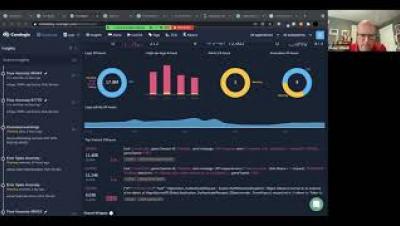
Cloudflare secures and ensures the reliability of your external-facing resources such as websites, APIs, and applications. It protects your internal resources such as behind-the-firewall applications, teams, and devices. This post will show you how Coralogix can provide analytics and insights for your Cloudflare log data – including traffic, performance, and security insights.

Security Log Management Done Right: Collect the Right Data

Nearly all security experts agree that event log data gives you visibility into and documentation over threats facing your environment. Even knowing this, many security professionals don’t have the time to collect, manage, and correlate log data because they don’t have the right solution. The key to security log management is to collect the correct data so your security team can get better alerts to detect, investigate, and respond to threats faster.

Cyber Defense Magazine Names ChaosSearch "Cutting Edge" in Cybersecurity Analytics

Exciting news — ChaosSearch won the 2021 InfoSec “Cutting Edge in Cybersecurity Analytics” award from Cyber Defense Magazine! We’re honored to be recognized for our innovation in delivering security insights at scale. The InfoSec panel of judges is made up of certified security pros who understand what SecOps teams care about and how log analytics should be applied to keep data secure.

Security Operations, the Devo Next-Gen SIEM, Is Now Chock Full of Content 

Devo has some big news for our customers, partners and prospects. We are pleased to announce the latest release of Devo Security Operations, which enables you to achieve full visibility without compromise, leverage real-time detections and enriched investigations, and maximize analyst productivity.

Log Management and SIEM Overview: Using Both for Enterprise CyberSecurity

Properly analyzing the massive amounts of data created by network access and the associated security tools has become a very tedious chore. Today’s cybersecurity professionals are seeking ways to better deal with the massive influx of information so that they can make intelligent choices when it comes to the cybersecurity posture of their networks. Selecting the proper tools is an important task which merits investigation.

What is the Coralogix Security Traffic Analyzer (STA), and Why Do I Need It?

The wide-spread adoption of cloud infrastructure has proven to be highly beneficial, but has also introduced new challenges and added costs – especially when it comes to security. As organizations migrate to the cloud, they relinquish access to their servers and all information that flows between them and the outside world. This data is fundamental to both security and observability.

4 Reasons Cloud-Native Organizations Benefit from Cloud-Native Logging and SIEM

For cloud-native organizations — those begun in the past decade or so — obtaining critical services from other cloud-native companies makes sense. After all, the whole point of being cloud native is to avoid physical infrastructure wherever possible. You want to focus on your business, not managing the systems and infrastructures that support it. That strategy applies to your logging and security information and event management (SIEM) solution, as well.

Confessions of a Digital Security and Fraud Director

What’s the point of collecting a lot of data if you don’t have the tools and power to analyze it? In this Log’s Honest Truth podcast, presented in partnership with ITSP Magazine, Devo’s VP of Customer Success, Jill Orhun, discusses the confessions of “Mr. V,” a digital security and fraud director. His face and voice are disguised, but there’s no disguising his frustrations. Listen to the podcast. “Mr.

The Value of Ingesting Firewall Logs

In this article, we are going to explore the process of ingesting logs into your data lake, and the value of importing your firewall logs into Coralogix. To understand the value of the firewall logs, we must first understand what data is being exported. A typical layer 3 firewall will export the source IP address, destination IP address, ports and the action for example allow or deny. A layer 7 firewall will add more metadata to the logs including application, user, location, and more.