You've Installed Graylog - What's Next
You've installed Graylog! But what comes next? Senior technical marketing manager at Graylog, Jeff Darrington, talks you through the next steps in your centralized log management journey.


King & Wood Mallesons (KWM) is among the world’s most innovative law firms and is represented by 2,400 lawyers in 28 locations across the globe. The international law firm, based in Australia, helps clients flourish in Asian markets by helping them understand and navigate local challenges and by delivering solutions that provide clients with a competitive advantage.
Security Logging and Monitoring Failures is #9 in the current OWASP top Ten Most Critical Web Application Security Risks.
Cloudflare secures and ensures the reliability of your external-facing resources such as websites, APIs, and applications. It protects your internal resources such as behind-the-firewall applications, teams, and devices. This post will show you how Coralogix can provide analytics and insights for your Cloudflare log data – including traffic, performance, and security insights.
Nearly all security experts agree that event log data gives you visibility into and documentation over threats facing your environment. Even knowing this, many security professionals don’t have the time to collect, manage, and correlate log data because they don’t have the right solution. The key to security log management is to collect the correct data so your security team can get better alerts to detect, investigate, and respond to threats faster.
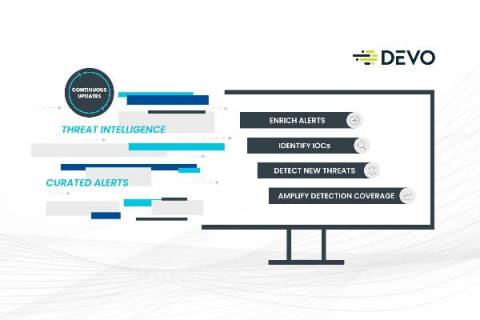
Devo has some big news for our customers, partners and prospects. We are pleased to announce the latest release of Devo Security Operations, which enables you to achieve full visibility without compromise, leverage real-time detections and enriched investigations, and maximize analyst productivity.
In the last six months, multiple major cyber attacks have severely impacted hundreds of organizations in both the public and private sectors, and disrupted the daily lives of tens of thousands of their employees and customers.