Security | Threat Detection | Cyberattacks | DevSecOps | Compliance

How to Secure Your CI/CD Pipelines with GitGuardian Honeytokens

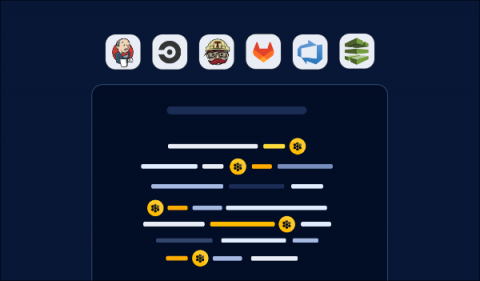
Discover how honeytokens, digital decoys designed to detect unauthorized access, can strengthen the security of your CI/CD pipelines. In this guide, we offer step-by-step instructions for integrating them into popular pipelines like Jenkins, GitLab, and AWS CodePipeline.

The Role of WAAP Platforms in the CI/CD Pipeline

Most SaaS engineering teams use the CI/CD pipeline for software development. Since a CI/CD approach enables faster, more collaborative, and more efficient development processes, leading to higher-quality software. No wonder that this is popular. More frequent release cycles mean more opportunities for vulnerabilities to creep into the code. While DevOps teams are central to running a CI/CD pipeline, since application security is gaining importance, more engineering teams are adding DevSecOps teams.

SnykLaunch recap: Custom Base Image Recommendations

One of the exciting new features discussed at SnykLaunch today was Custom Base Image Recommendations (CBIR). In open beta since late 2022, CBIR is already being used by several organizations. We've been expanding the feature set as we approach general availability to include more flexibility and to incorporate hands-off automation capabilities, allowing users to leverage CBIR in their CI/CD pipelines.

Securing your CI/CD pipelines: How GitHub Actions can Help

This post discusses how GitHub Actions can enhance the security of CI/CD pipelines by automating security-related tasks and providing integration with other security tools, version control, access control, and auditing. These days, security has become more important than ever in software development processes. With cyberattacks becoming increasingly frequent and sophisticated, organizations must prioritize security throughout their software development lifecycle to protect their systems, data, and users.

Dev First Prevention Strategies Using the CI/CD

Watch this office hours where we cover best practices for introducing a blocking/prevention strategy using the CI/CD Integration. Security and engineering teams often fail to find a balance between meeting the necessary security objectives for their organization and ensuring maximum velocity. While security teams view the process of blocking new critical severity vulnerabilities as a basic security best practice, engineering teams often push back out of fear that it will create too much friction for their developers.

CI/CD and the Promise of Agile Transformation

Continuous integration/continuous delivery (CI/CD), promises to help deliver software faster and more reliably. It does this by pushing frequent updates and fixes regardless of size and using automation tools to help the process run smoothly. According to Gartner, CI/CD is the most common agile practice currently being adopted by organizations. So how does CI/CD work and why is it critical for DevOps teams?