How Hospital Hacks Happen: Internal Access Points
This use case explores internal access points; specifically, how Wi-Fi and remote work can create new threats to healthcare delivery – and steps you can take to safeguard your hospital.


A VPN, or a virtual private network, is a service that protects your internet connection. It encrypts your data, protects your online identity by masking your IP address and allows you to use public WiFi hotspots safely. VPNs create a private, encrypted network within the public network providing an extra, and known, layer of security and privacy.
My first interaction with a firewall was with a TIS Gauntlet that I compiled on a Sun workstation in 1994. Since then, I have worked with firewalls from Checkpoint (back when configuration files were clear text flat files and they only had support out of their headquarters in Israel), Raptor, Pix (when they booted from a 3 ¼” floppy), and finally the Cisco ASAs, FortiGates, and Palo Alto firewalls of today.
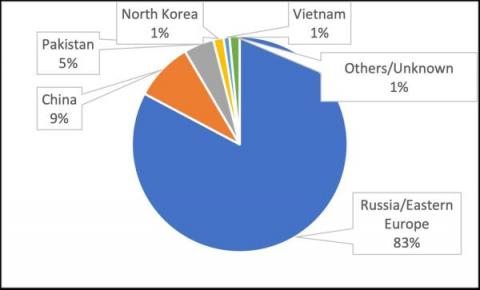
In our companion blog post, Vedere Labs analyzed the main ransomware trends we observed in the first half of 2022, including state-sponsored ransomware, new mainstream targets and evolving extortion techniques. Ransomware is the main threat targeting most organizations nowadays. However, three other notable cyberthreat trends also evolved during this period: Below we analyze each of these trends in more detail.
At Netskope, our primary focus in the marketplace is to help customers protect their data. More and more data exists outside the traditional enterprise perimeter and is growing at an ever-rapid pace. More than 80% of users are using personal apps and instances from managed devices, and of those applications being accessed, roughly half would be given a “Poor” risk rating by the Netskope Cloud Confidence Index.
As cloud adoption and digital transformation increases, more sensitive data from applications is being stored in data containers. This is why effective container security controls to securely manage application connectivity is an absolute must. AlgoSec CTO and Co-Founder, Prof. Avishai Wool provides some useful container security best practices to help you do just that.