Security | Threat Detection | Cyberattacks | DevSecOps | Compliance

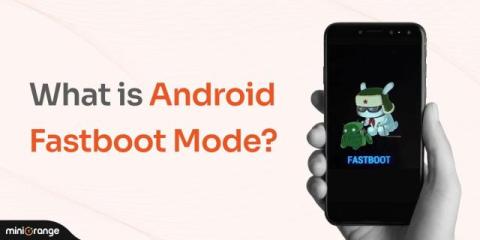
What is Android Fastboot Mode?

Android is known for its flexibility, which is one reason businesses across industries rely on it. But when a device freezes, crashes, or refuses to turn on, that flexibility goes to the bin. But with Android Fastboot, that flexibility reaches a new level. Often useful for developers and device manufacturers, Fastboot plays an important role in enterprise device management. It lets IT teams fix issues, reinstall software, push updates, or recover a device that would otherwise be unusable.
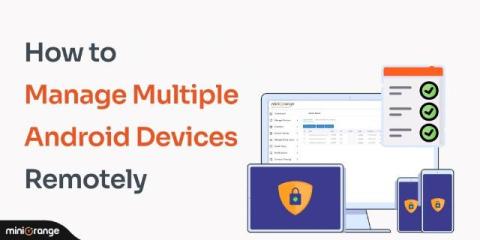

How to Manage Multiple Android Devices Remotely

Managing multiple Android devices across different locations is a struggle. One device needs troubleshooting, another needs a policy update, a third has lost its Wi-Fi settings, and suddenly your day becomes a never-ending loop of manual fixes and phone calls. But it doesn’t have to be that way. With the right remote management approach, you can standardize security, resolve issues instantly, and keep every device aligned with your business needs—without ever touching the device physically.

Continuous workforce identity assurance: Our key focus at the Gartner IAM Summit

Security leaders are rethinking how they establish and maintain identity assurance across the employee life cycle as workforce fraud and AI-driven impersonation accelerate. And as threats increase, confidence is dropping. At a recent CISO event, more than 85% of security leaders told us they’re only somewhat confident or not confident at all in their ability to handle GenAI-enabled fraud.

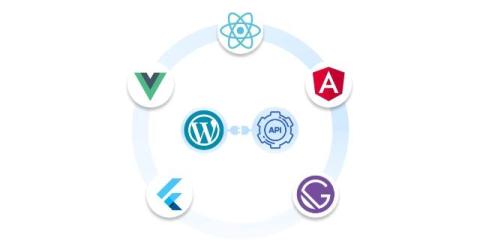
What is Headless WordPress and How Single Sign On (SSO) Secures It

WordPress powers more than 43% of all websites on the internet, making it the most widely used Content Management System (CMS) for everything from small blogs to enterprise sites. Its popularity comes from being easy to use, flexible, and supported by a large ecosystem of plugins and themes. In recent years, many businesses have started using WordPress in a new way called Headless. Industry research shows that nearly 64% of enterprise companies now use a Headless CMS strategy.

Five worthy reads: Identity fabric: Intertwining identities to create an impenetrable shield

Five worthy reads is a regular column on five noteworthy items we have discovered while researching trending and timeless topics. In this week's edition, we will discuss how the concept of identity fabric has evolved and what it holds for the future. Securing digital identities is no longer a one-man show; it is everyone's game now.

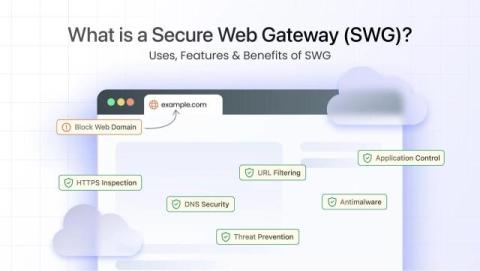
Secure Web Gateway (SWG) vs. Firewall: What's the Difference?

Secure Web Gateways (SWGs) and Firewalls both protect your business, but they defend at different layers. One protects your web traffic and cloud apps the other secures your network perimeter. Let’s explore how they differ and how to use both for maximum protection.

Age assurance methods for worldwide compliance

Age-based regulations are evolving worldwide. While many people are already familiar with self-attestation forms for accessing adult content, the scope and approved methods of age assurance continue to expand due to evolving regulations worldwide. These regulations include the UK's Online Safety Act, which was accompanied by a set of highly effective methods to gauge age, and Australia's Social Media Minimum Age Act that places guardrails around what digital content children have access to.

How to Set Up Auto-Activation for Users in Jira | miniOrange Automated User Management

This video tutorial walks you through how to configure the automation to Auto-Activate Users in Jira using the miniOrange Automated User Management app. The video demonstrates the complete setup flow, starting with Jira automation configuration and then setting up the auto-activation rule inside the miniOrange User Management app, followed by the user flow that triggers the rule in action. Video Chapters.