Security | Threat Detection | Cyberattacks | DevSecOps | Compliance

Top 5 User Management Challenges in Atlassian Crowd (And How to Fix Them with Automation)

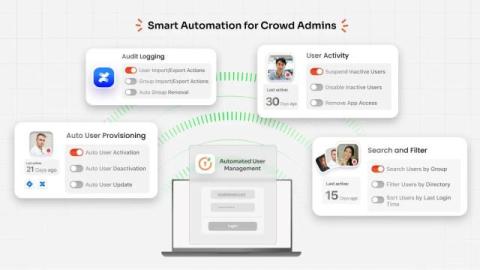
Managing users in Atlassian Crowd often feels like walking a tightrope. You’re expected to ensure seamless access for every team member, revoke access the moment someone leaves, manage directory syncs, assign and revoke group permissions, and keep everything audit-ready at all times. And while Crowd gives you a central place to manage users across Jira, Confluence, Bitbucket, and more, it still largely demands manual efforts from admins.

'Plague' malware exploits Pluggable Authentication Module to breach Linux systems

‘Plague’ represents a newly identified Linux backdoor that has quietly evaded detection by traditional antivirus solutions for over a year. Its primary mechanism involves operating as a malicious PAM, allowing attackers to silently bypass system authentication and establish persistent SSH access to compromised Linux systems.

CyberArk empowers Australia's cyber resilience with IRAP assessment completion at the protected level

As ransomware strains hospital operations and supply‑chain attacks target energy grids, Australia’s public and regulated sectors need proven cyber resilience. At the heart of most breaches lie human error and weak identity controls, making the Infosec Registered Assessors Program (IRAP) assessment program the gold standard for moving sensitive workloads to the cloud.

The life and death of an AI agent: Identity security lessons from the human experience

AI agents are on the rise. They can spin up, act independently, use tools, and make decisions—often without real-time human oversight. They promise incredible productivity but also introduce new risks and challenges that can’t be ignored. As these agents become more autonomous and integrated into enterprise operations, they blur the lines between human and machine responsibilities. This raises critical questions: How do we ensure they act ethically?

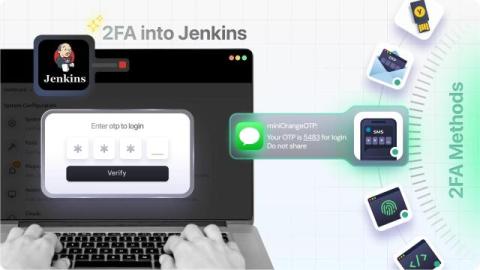
The Complete Guide to Jenkins 2FA with miniOrange

When it comes to Jenkins, relying on just usernames and passwords puts your pipelines at risk. This blog explains why 2FA is essential for Jenkins security and how it helps block threats like credential stuffing and brute-force attacks. You’ll explore different 2FA methods and see how the miniOrange Jenkins 2FA plugin makes it easy to protect both user access and APIs.

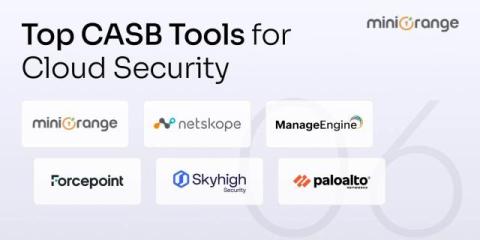
6 Best CASB Solutions for 2025: Cloud Access Security Broker Tools Compared

Searching for the best way to protect your cloud data, apps, and users in 2025? This guide compares the top CASB tools and their features and helps you choose the right cloud access security broker solution for your business.

Two-Factor Authentication (2FA) Explained: Why Every Business Needs It Now

Protect your Atlassian apps with stronger access control using Two-Factor Authentication (2FA). This blog explains what 2FA is, why it’s essential, and how it helps prevent modern cyber threats. You’ll explore different 2FA methods like TOTP, biometrics, and hardware tokens, and see how miniOrange makes it easy to secure Jira, Confluence, and Bitbucket, and more.

CyberArk Secure Cloud Access achieves CSA STAR Level 1 certification

When you hand over the keys to your cloud, you’d better know who’s holding them—and for how long. In a world where speed is everything and complexity is the norm, organizations need more than visibility. They need assurance. That’s why we’re proud to share that CyberArk achieved CSA STAR Level 1 certification for its Secure Cloud Access (SCA) solution.