Imagine constructing a building without a blueprint or cooking a complex recipe without a list of ingredients. It would be a chaotic and inefficient process, right? The same principle applies to manufacturing and production. That's where the Bill of Materials (BOM) comes into play. In this article, we will explore the meaning, purpose, and diverse types of BOMs, illustrating how they serve as the foundation for seamless production processes.
In my previous blog post, I looked at how software supply chain attacks work and what you can do to assess and analyze your security posture. Now, let’s figure out how to use the resultant information to harden your software supply chain against threats.
Kroll’s findings for Q2 2023 reveal a notable shift toward increased supply chain risk, driven not only by the CLOP ransomware gang’s exploitation of the MOVEit transfer vulnerability, but by a rise in email compromise attacks. This and other key security trends are shaping a threat landscape in which diverse cyber threats are present.
In 2022, nearly 1,700 entities across the globe fell victim to software supply chain attacks, impacting over 10 million people. Nearly each of these attacks included some element of faulty or nefarious open-source code. Software developers commonly rely on open-source components to speed up the development process, but as we can see, this practice has the potential to introduce malicious packages and vulnerabilities into the code due to the lack of proper curation and maintenance.
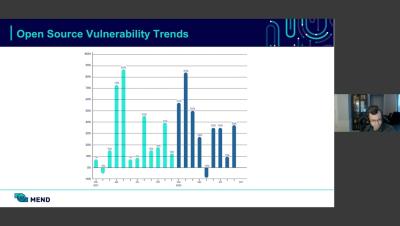
When it comes to applications and software, the key word is ‘more.’ Driven by the needs of a digital economy, businesses depend more and more on applications for everything from simplifying business operations to creating innovative new revenue opportunities. Cloud-native application development adds even more fuel to the fire. However, that word works both ways: Those applications are often more complex and use open-source code that contains more vulnerabilities than ever before.