Security | Threat Detection | Cyberattacks | DevSecOps | Compliance

Cybersecurity Checklist for MSSPs

Managed Security Service Providers (MSSPs) operate across a broad, complex attack surface, simultaneously managing privileged access to multiple client environments while maintaining the security of their own infrastructure. This dual responsibility makes MSSPs valuable targets for attackers who understand that compromising just one MSSP can grant them entry into every client network the provider manages.

Delegated authority, running locally: Give an agent on your machine an identity you can trust

Part 3 of our agent-identity series: a reference architecture showing how a locally running AI agent, like the coding assistant in your editor or the copilot in your browser, can borrow a human's authority in a scoped, short-lived, auditable way, anchored in an app the user already trusts.

France's ANSSI Sets New Post-Quantum Cryptography Milestones: What It Means for Your Security Strategy

Quantum computers capable of breaking today’s encryption may still be years away, but France’s National Cybersecurity Agency (ANSSI) believes organisations shouldn’t wait to prepare. At the France Quantum Conference on June 16, 2026, ANSSI announced new milestones for the adoption of Post-Quantum Cryptography (PQC). ANSSI recommends that organisations prioritise purchasing quantum-safe security products by 2030. The most important message, however, isn’t about 2030.

The tokenmaxxing bill is due: Take control of AI spend with SaaS Manager

A nasty shock is hitting finance leaders across every industry right now: AI token bills that run ten, twenty, even a hundred times over what they forecasted, blowing holes straight through quarterly budgets. These leaders are all asking the same questions: How could this happen if they didn't approve it? Why didn't any of their systems alert them to the spike? And most importantly, what can they do now?

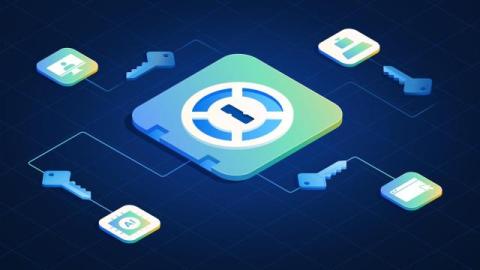
Self-hosted password vault: why security teams are taking the keys back

A self-hosted password vault runs on infrastructure you control instead of a vendor's cloud, giving you direct custody of encryption keys, backups, and access logs. It trades vendor convenience for operational responsibility: you patch it, you back it up, and you decide who reaches it. For teams with data residency requirements, air-gapped environments, or a board that keeps asking where the credentials live, that trade is usually worth making.