Security | Threat Detection | Cyberattacks | DevSecOps | Compliance

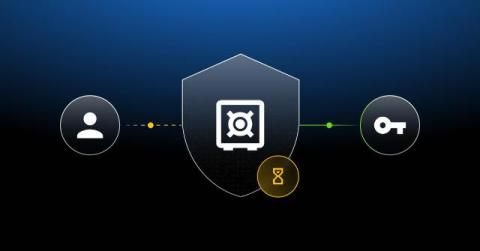
How Keeper Helps Enforce Zero Standing Privilege

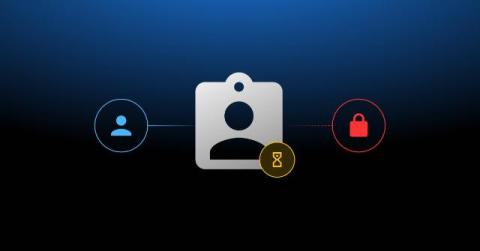
Privileged accounts are standing invitations for attackers, with credentials to steal and permissions to misuse. When administrative rights are persistently active, whether or not they’re being used, privileged accounts significantly expand the attack surface. Zero Standing Privilege (ZSP) shrinks that risk by ensuring no user holds permanent elevated access.

Keeper Security Named Exemplary in 2026 ISG Buyers Guide for IAM

Keeper Security has been named an Exemplary provider in the 2026 ISG Buyers Guide for Identity and Access Management (IAM) platforms — ISG’s highest classification. ISG Research evaluated 31 software providers across authentication, authorization, identity lifecycle management and access governance. Keeper earned an A- grade in every category ISG measures and an overall performance score of 83.0%.

Introducing universal sign-in: a seamless solution for every way you login

Today we're releasing universal sign-in, a new experience from 1Password that provides a seamless and secure way to sign into any site with your preferred method. It's currently available to all customers in the latest version of the 1Password browser extension.

5 ways to optimize AI costs and reduce wasted AI spend

The tokenmaxxing era has left companies grappling with an uncomfortable reality. Now that AI vendors have switched to usage-based billing models, businesses are facing sky-high bills, and IT and finance teams are under pressure to rein in spending without slowing down innovation.

Credential Security for Compliance Audits

An auditor asks you to prove that a former employee no longer has access to any workplace credentials. What do you do? With 1Password, you can pull up the Activity Log: deprovisioning timestamped, every access event recorded. The ticket is closed, and the evidence is right there. Controls aren't enough for compliance frameworks, proof is.

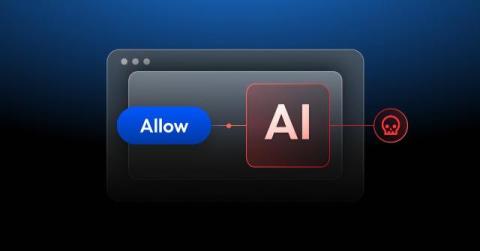
Shadow AI: What Clients Aren't Telling Their MSPs

MSPs are expected to understand their clients’ technology environments. They know which endpoints are managed, which applications are business-critical, which systems require patching or maintenance, where sensitive data resides and who has access to it. Increasingly, however, critical technology decisions are now being made without IT or MSP involvement. Across client environments, this can take many forms: And each instance can occur without the MSP ever knowing.

How to Reduce Your Cloud Attack Surface by Eliminating Standing Privileges

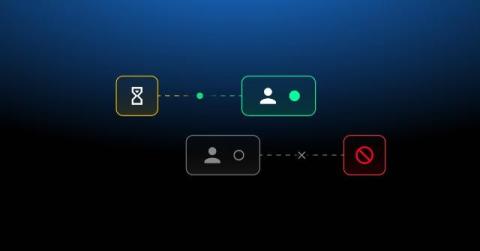
You can reduce your cloud attack surface by auditing every persistent permission across your cloud and identity platforms, stripping away unnecessary access and replacing always-on admin rights with Just-In-Time (JIT) access that’s granted on approval, time-limited and automatically revoked. Getting there starts with understanding why standing privilege makes up such a significant portion of the cloud attack surface.

Common Zero Standing Privilege Challenges and How To Solve Them

One of the most exploitable parts of modern attack surfaces is standing privileges: the persistent access rights that linger on accounts long after they’re needed. With standing privilege, static credentials are easier to steal, and overprovisioned accounts give attackers far more reach than they should have. Zero Standing Privilege (ZSP) solves these issues by granting access only when necessary and revoking it as soon as the task is finished, leaving behind no lingering access.

How Keeper Privileged Cloud Delivers Zero Standing Privilege

Keeper Privileged Cloud delivers Zero Standing Privilege (ZSP) by extending KeeperPAM’s Just-In-Time (JIT) access framework to cloud identity platforms. A user gets elevated permissions only after a request is approved; those permissions last for a set time window, and Keeper removes them automatically once the window ends. No permanent privilege is left in place.