PCI DSS 4.0 - The Update
Razorthorn MD, James Rees, has been a PCI DSS QSA for much of his career - hear his initial thoughts on the latest update. Get in touch if you have any questions for him.


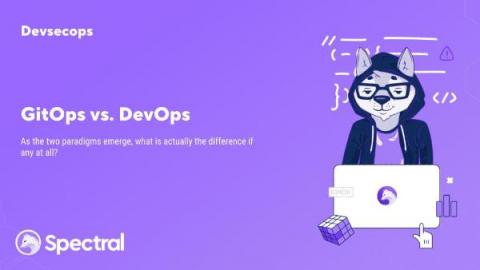
DevOps has been the methodology of choice among developers for over a decade. No doubt, it’s proven its efficiency and ability to speed up processes while uniting teams by promoting open communication and shared responsibility. But will GitOps steal the spotlight? We’re exploring the answer in today’s post by looking at these two methodologies’ similarities and differences, advantages, and limitations.
This blog was written by an independent guest blogger. In mid-March, Microsoft released a free, open-source tool that can be used to secure MikroTik routers. The tool, RouterOS Scanner, has its source code available on GitHub. It is designed to analyze routers for Indicators of Compromise (IoCs) associated with Trickbot. This article will introduce some background on the MikroTik vulnerability, the Trickbot malware, and some ways you can protect yourself.
A few days ago it was reported that the new Go versions 1.18.1 and 1.17.9 contain fixes for a stack overflow vulnerability in the encoding/pem builtin package, in the Decode function. Given the high popularity of Go among our customers and in the industry at large, this update led us to investigate the vulnerability in previous versions.
One of the many values of 1Password is that we make it faster and easier to use strong, unique passwords everywhere online. That’s great if you already have a good handle on why password strength matters for online security. But we know that not everyone does.
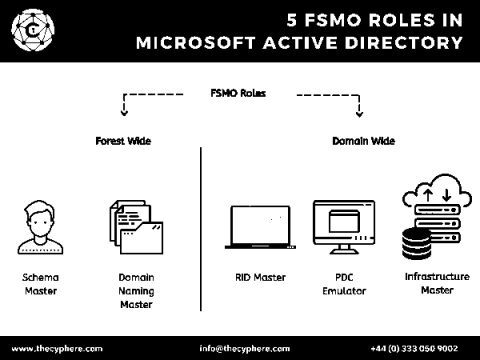
The FSMO (Flexible Single Master Operations) roles are vital when it comes to Active Directory. The FSMO roles help keep Active Directory consistent among all of the domain controllers in a forest by allowing only specific domain controllers to perform certain operations. Additionally, Active Directory FSMO Roles are essential for your Active Directory environment’s stability and security.