Security | Threat Detection | Cyberattacks | DevSecOps | Compliance

What Is Identity Governance and Administration (IGA)? A Complete Guide

Disconnected identity systems create the access risk, audit friction, and IT overhead that identity governance and administration (IGA) is built to close. The 2026 Verizon Data Breach Investigations Report found credential abuse in 39% of breaches. IGA combines policy, certification, and compliance evidence with automated provisioning, deprovisioning, and access requests to keep access aligned with business needs and reduce that risk.


AI security solutions: what they are and how to choose one

Employees can start using an AI tool and share business information with it before IT has reviewed the service or the data involved. AI security solutions help businesses bring that exposure under control without treating every useful AI interaction as something to ban. This guide is written for SMB IT decision-makers evaluating protection for employees who use public or business generative AI tools, often with support from a managed service provider (MSP).

How to reduce DLP false positives

DLP false positives bury real incidents under benign alerts and push teams to switch off the controls they bought. Most of that noise is configuration. Classify sensitive data before enforcement, pair content matches with identity and destination context, phase policies from simulation to blocking, and read override reasons as a tuning signal. Track the trend per policy, and you can show an auditor what the controls do.

What Is Agentic AI Security? The 3 Layers and Their Owners

Two of the three layers of agentic AI security already have an owner in your organization, and the third has none. Identity falls to IAM and interaction falls to AppSec, because the controls at both layers extend products those teams already run. The behaviour layer covers what the agent does on the infrastructure once it is running, and it sits between a platform team with no security mandate and a SOC with no sense of what normal looks like for an agent. That gap is where a coerced agent works.

AI Agent Identity Security: Where an Agent's Baseline Lives

Identity governance cannot tell you which AI agent did something. It records which identity is allowed what. In a cluster, one service account often serves several workloads, and every pod is replaced at the next rollout. As a result, the permission record and the behavior record point at different objects. Detection and investigation need a unit of attribution. The Deployment is the right one. It stays stable across restarts and replicas and changes only when someone ships a rollout.

Cyber Loss When the Product Is a Clinical Trial

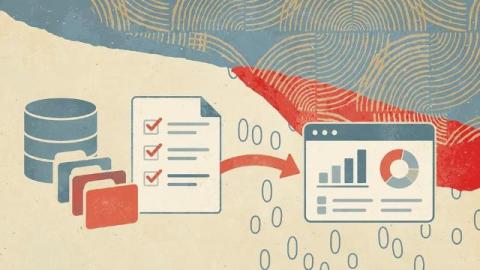
A cyber loss model for a research organization counts subject records and applies a per-record cost. Personal health information, a notification exercise, a regulatory penalty. ‍ The mechanism that matters in a trial is integrity rather than confidentiality, and it produces a loss that occurs even where nothing was altered. What gets destroyed is the ability to demonstrate that nothing was. ‍

What Data Should You Prepare Before Migrating to NetSuite?

Moving to NetSuite is a major step for a growing business. It can bring finance, operations, inventory, sales, and reporting into one system. But before the migration starts, you need to prepare your data. Poor data can create delays, errors, and extra work during implementation. Clean and organized data makes the move much smoother. It also helps your team get more value from NetSuite after go-live.

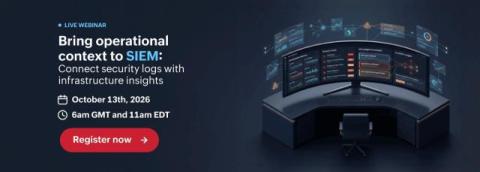
[Webinar] Beyond security logs: Why operational context matters in security investigations

A security event tells you what happened. But understanding why —and what was happening across the environment at the same time—can make all the difference. Modern security teams have access to vast amounts of security data through SIEM platforms. Logs, events, user activity, threat indicators, and alerts provide critical evidence for detecting and investigating potential incidents.

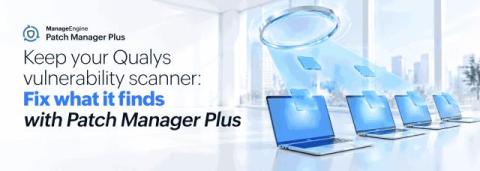
Keep your Qualys vulnerability scanner: Fix what it finds with Patch Manager Plus

Most organizations that run a vulnerability scanner have already made a significant investment. They chose Qualys, Tenable, Rapid7, or CrowdStrike based on their detection needs, their compliance requirements, and the way their security team works. That scanner is embedded in their workflows, audit processes, and reporting chain. Then they look at their vulnerability remediation times and realize the problem is not on the scanning side.