During a recent customer engagement, I came across an instance of a rather rare vulnerability class called HTTP request smuggling. Over the course of several grueling days of exploit development, I was eventually able to abuse this vulnerability to trigger a response queue desynchronization, allowing me to capture other users’ requests, leading to session hijacking.
This release, we’re really excited about major improvements to Calico’s workload-centric WAF. We’ve made it much easier for users to configure and deploy the WAF in just a few clicks and we’ve also made it much easier to review and manage WAF alerts through our new Security Events feature.
The fastest adversary can “break out” — or move laterally — in only seven minutes after compromising an endpoint. Yes, you heard that right. Seven minutes. In the relentless race against adversaries, every second counts. To avoid breaches, you need to detect and stop adversaries before they can break out and expand their realm of control.
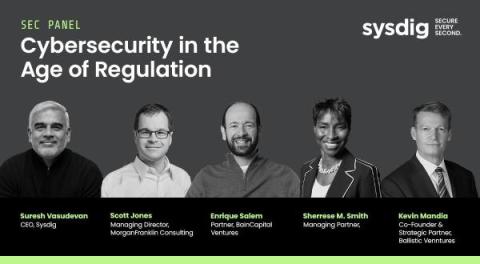
Today’s edition of GRC Newsflash features our Compliance Specialist Frank Kyazze, and covers Risk Updates from the SEC announced on July 26, 2023.
An attack surface refers to all the possible points, also called attack vectors, where cybercriminals can access a system and steal data. When an attack surface is small, it’s easier to manage and protect, making it essential to reduce your attack surface as much as possible. Continue reading to learn more about attack surfaces and how you can reduce your organization’s attack surface by following a few of our tips.