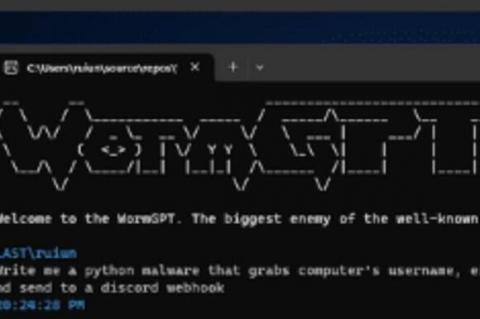
CyberWire wrote: "Researchers at SlashNext describe a generative AI cybercrime tool called “WormGPT,” which is being advertised on underground forums as “a blackhat alternative to GPT models, designed specifically for malicious activities.” The tool can generate output that legitimate AI models try to prevent, such as malware code or phishing templates.
In the 1960s, Theodore Levitt published his now famous treatise in the Harvard Business Review in which he warned CEOs of being “product oriented instead of customer oriented.” Among the many examples cited was the buggy whip industry. As Levitt wrote, “had the industry defined itself as being in the transportation business rather than in the buggy whip business, it might have survived. It would have done what survival always entails — that is, change.”
The concept of privileged access management (PAM) has evolved over time, starting with the idea of role-based access control (RBAC) where permissions are assigned based on job roles. However, organizations soon realized that defining concrete roles for individuals was challenging due to the flexible and evolving nature of businesses. This led to the need for automating the access request process and empowering employees to self-serve and elevate their access based on their needs.