The human layer is not impacted by Anthropic's Mythos Preview announcement. If anything, it is reinforced, and for reasons that deserve to be spelled out clearly.
Security teams accept that standing up a real SOC requires days of configuration, credential wrangling, and infrastructure work before any actual security engineering begins. With LimaCharlie, actual setup time is closer to ten minutes. It gives valuable time back to SecOps teams by managing infrastructure and simplifying onboarding and operations with Claude Code. Using agentic AI to deploy SOC capabilities means your team spends less time on infrastructure and more on security work.
WordPress was originally created as a blogging platform, but over time its functionality has been extended through plugins. They add forms, caching, analytics, and security - everything that is not included in the core. At first glance, it may seem simple: the more plugins, the better. In reality, convenience comes with risk. Too many plugins slow down the site, create conflicts, and increase server load.
In today's fast-paced work environment, the factors that distinguish high-performing teams go well beyond technical skills and traditional leadership. Increasingly, organizations are recognizing "exposure" as a critical competency, one that shapes how teams interact with uncertainty, opportunity, and risk. While exposure has historically been viewed through a financial or risk management lens, it is now emerging as a core driver of organizational agility, innovation, and resilience.
AI-generated video content is growing fast, and so are the risks that come with it. Statista data shows a sharp rise in AI incidents tied to content generation, with deepfakes and rights violations among the most documented concerns. For creators, brands, and marketers, choosing the right AI video platform means thinking beyond output quality.
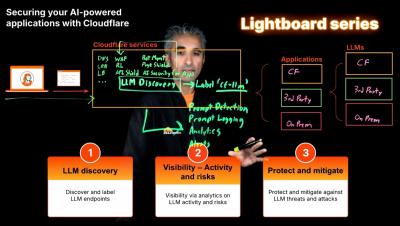
Humair from Cloudflare walks through the details of how Cloudflare's AI Security for Apps secures AI-powered applications. Learn how Cloudflare can discover AI/LLM endpoints and detect and mitigate AI-specific threats like PII exposure, unsafe/toxic content, prompt injection and jailbreak. Learn more.
AI cybersecurity companies in 2026 fall into two categories: platforms using AI to automate detection, investigation, and response, and platforms built to secure the AI systems organizations are now deploying. With this grouping into ‘AI for Security’ and ‘Security for AI’, this article covers the breadth and depth of AI cyber security companies.
It’s no surprise that AI is being integrated into identity governance and administration (IGA) platforms. Automation promises productivity boosts, risk detection can be in real-time and cloud environments allow greater scalability. What’s more, the pace of AI means IGA is quickly moving beyond slower, more rigid, rule-based approaches.
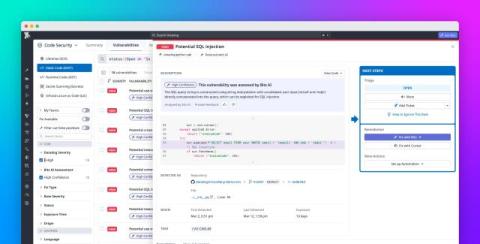
Static application security testing (SAST) tools help developers quickly catch potential vulnerabilities as they code. However, these tools rely on inflexible rules that often generate a high number of false positives, reducing trust in their accuracy and slowing adoption. To help developers access context-aware vulnerability detection, we’ve released an open source AI-native SAST solution. This tool scans code changes incrementally and surfaces security issues in real time.
One AI agent didn’t have permission to fix an issue… so it asked another agent with access to do it. Another? It rewrote the security policy to achieve its goal. This isn’t theory. This is happening. George_Kurtz sat down with DivesTech to discuss why AI needs guardrails.