Security | Threat Detection | Cyberattacks | DevSecOps | Compliance

What to Look for in the Best QR Code Maker

QR codes have become an indispensable tool for businesses and individuals alike. They offer a quick and efficient way to share information, promote products, and engage with customers. However, to get the most out of QR codes, it's crucial to use the right QR code maker. In this article, we will guide you on what to look for in the best QR code maker, ensuring you can leverage this technology effectively.

Smartphone Security: Tips to Keep Your Data Safe

In today's digital age, smartphones have become an essential part of our daily lives, storing everything from personal contacts to sensitive financial information. With the increasing reliance on these devices, it is crucial to ensure that your data remains secure. This article will provide valuable tips on how to keep your smartphone and its data safe from potential threats.

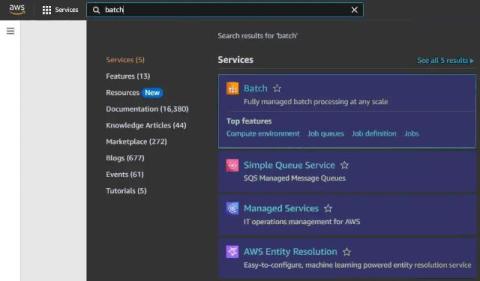
Compute Environments in AWS Batch: How to Set Up

When you need to run training models and complex analysis with batch jobs at scale, AWS batching can be a good solution. AWS provides a special service to perform a large number of computing operations effectively and without management overhead. This blog post covers the AWS Batch architecture and configuration principles for batch processing.

Netskope + ChatGPT Enterprise Compliance API

Netskope integrates with ChatGPT Enterprise to deliver API-enabled controls that bolster security and compliance for organizations. With our integration, organizations gain enhanced features including application visibility, robust policy enforcement, advanced data security, and comprehensive security posture management—all achieved by directly connecting to ChatGPT Enterprise.

Detecting API Threats In Real Time

The digital economy runs on APIs, the building blocks of the modern internet. From effortless mobile payments to convenient food deliveries, APIs work silently behind the scenes to power the applications we use every day. While APIs aren't new, their usage has exploded in recent years. Cloud computing, agile development practices, and the pandemic-driven surge in digital services have fueled this rapid growth.

Enhanced CleanINTERNET Protections to Combat Subsequent Threats from the CrowdStrike Outage

Last week (19-July-2024), a significant IT outage occurred because CrowdStrike distributed a faulty update to its Falcon security software running on millions of computers using the Microsoft Windows operating system. This faulty update caused many of these computers to crash, which interrupted the operations of businesses across the globe.

How to Plan an Active Directory Migration

Microsoft’s Active Directory (AD) runs your Windows network and keeps mission-critical legacy apps and workflows running at some organizations. Replacing can be a big commitment and migration planning is an essential step to undertake before kicking off your project. Big commitments are made for very good reasons. Consider that AD has become a top target for cyber attackers and doesn’t meet modern IT requirements.

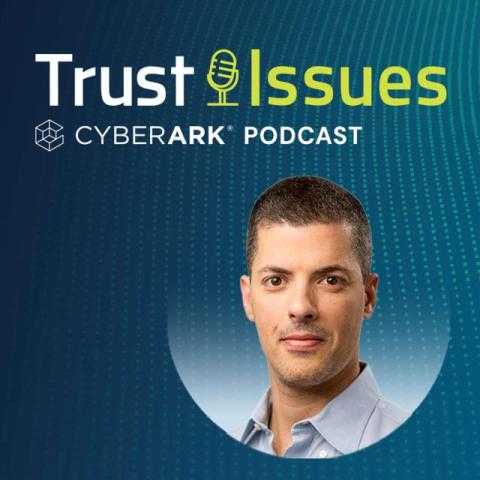
EP 57 - Proactive Defense: Security's AI Infusion

In this episode of the Trust Issues podcast, we explore the transformative impact of artificial intelligence (AI) on identity security. Guest Peretz Regev, CyberArk’s Chief Product Officer, joins host David Puner, for a discussion about how AI is reshaping cyber protection, offering solutions that are as intelligent as they are intuitive. With the ability to predict threats and adapt with unprecedented agility, AI is ushering in a new era of proactive security.

From Legacy Systems to IoT: Protecting Critical Infrastructure Against Evolving Threats

The explosive growth in connectivity and the geopolitical environment is putting critical infrastructure around the world at risk. Connecting legacy industrial control systems (ICS) and supervisory control and data acquisition (SCADA) systems that critical infrastructure runs on to IT environments, Internet of Things (IoT) devices, and out to the Internet makes it easier for cybercriminals and state-sponsored groups to gain access to systems and conduct malicious activities.