As GenerativeAI expands its reach, the impact of software development is not left behind. Generative models — particularly Language Models (LMs), such as GPT-3, and those falling under the umbrella of Large Language Models (LLMs) — are increasingly adept at creating human-like text. This includes writing code.
The past three months witnessed several notable changes impacting privacy obligations for businesses. Coming into the second quarter of 2023, the privacy space was poised for action. In the US, state lawmakers worked to push through comprehensive privacy legislation on an unprecedented scale, we saw a major focus on children's data and health data as areas of concern, and AI regulation took center stage as we examined the intersection of data privacy and AI growth.
From ChatGPT to DALL-E to Grammarly, there are countless ways to leverage generative AI (GenAI) to simplify everyday life. Whether you’re looking to cut down on busywork, create stunning visual content, or compose impeccable emails, GenAI’s got you covered—however, it’s vital to keep a close eye on your sensitive data at all times.
After shutting down a ‘phishing-as-a-service’ operation that impacted thousands of victims in 43 countries, INTERPOL recently noted, “Cyberattacks such as phishing may be borderless and virtual in nature, but their impact on victims is real and devastating.” Business email compromise (BEC), a type of malware-less attack that tricks recipients into transferring funds — for example — has cost victims worldwide more than $50 billion, according to the FBI.
According to a new report, cybercriminals are making full use of AI to create more convincing phishing emails, generating malware, and more to increase the chances of ransomware attack success. I remember when the news of ChatGPT hit social media – it was everywhere. And, quickly, there were incredible amounts of content providing insight into how to make use of the AI tool to make money.
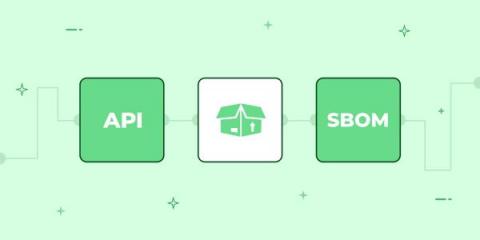
Creating a Software Bill of Materials (SBOM) is crucial to software supply chain security management. It helps fortify your software supply chain and reduces the likeliness of your software being exploited. But did you know there's a way to enhance your software's security further? Well, that's when API inventory comes into the picture. Including API inventory in your SBOM can make your software solution more resilient to cyberattacks.
The rise of hybrid work has accelerated digital transformation for organizations of all sizes. As a result, more and more applications and data are moving to the cloud. While this has created a number of benefits — including cost savings, ease of access, and increased operational efficiencies — the cloud has also made it more challenging to protect sensitive data.