Security | Threat Detection | Cyberattacks | DevSecOps | Compliance

What Are Web Cookies? The Privacy and Security Risks of Internet Cookies

This article has nothing to do with chocolate chips or sprinkles. Sorry about that. Instead, we're talking about computer cookies and how too many web cookies can be bad for your online health. While cookies are enormously helpful and necessary for an easy-going web experience, they are not all good, and many pose some genuine privacy concerns. But what is a cookie, how does one work, and how do they (sometimes) infringe on your digital rights?

Securing cloud workloads in 5 easy steps

As organizations transition from monolithic services in traditional data centers to microservices architecture in a public cloud, security becomes a bottleneck and causes delays in achieving business goals. Traditional security paradigms based on perimeter-driven firewalls do not scale for communication between workloads within the cluster and 3rd-party APIs outside the cluster.

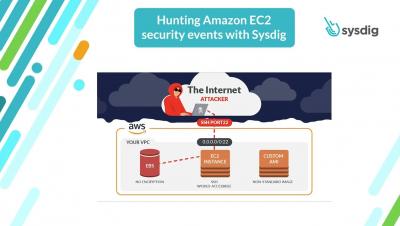
Securing SSH on EC2: What are the real threats?

Every compliance audit will ask you to secure SSH, and every time a scanner checks the configuration or CSPM of your cloud account you’ll be warned for it. For example, if you don’t secure SSH on EC2, you’ll certainly get a critical alert stating that one of your Security Groups has its SSH port (22) open to the world. When this happens, you may think: Have I been pwned?

Protect your Business with Enterprise Mobile Security in 2022

If you are not taking enterprise mobile security seriously, look at these stats: According to the State of Enterprise Mobile Security 2022 Report, 75% of the analyzed phishing sites targeted mobile devices. The same report stated that 30% of the total zero-day vulnerabilities discovered in 2021 targeted mobile devices. Security week states that mobile phishing attacks have increased at a consistent rate of 85% since 2011.

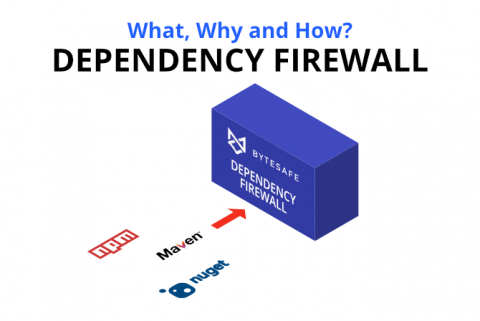
What is a Dependency Firewall? What, Why and How?

In recent years more open source vulnerabilities have been discovered than ever before. This is all part of the natural evolution; it’s what we expect to see as the amount of open source usage grows within organizations. But there’s something that we missed in this equation: while identifying vulnerabilities, organizations haven’t found a way to block unwanted dependencies, which made them vulnerable to attacks like never before.

Make Account Compromise a Non-Issue: Introducing Immutability for Microsoft Azure VMs

Author Brian Mislavsky Rubrik Storage Tiering for Microsoft Azure now leverages Azure Blob immutability by default. In our Winter Release, we introduced Storage Tiering for Microsoft Azure as a way for Rubrik customers to further protect workloads in Microsoft Azure by enabling the ability to logically air gap data between Azure Subscriptions as well as potentially decrease long term storage costs by almost 40%.