It’s easy to get overwhelmed with the number of cloud security resources available. How do you know which sources to trust? Which ones should inform your security strategies? Which reports will actually improve your cloud security posture? Let’s first look at six cloud security guides that you should be using. These resources provide action items that you can take back to your team and use immediately.
Not even seven days after its public release, the American Rescue Plan Act has already been exploited by cybercriminals. This is the latest example of using a relief measure as bait for phishing or malware delivery.
From smart homes that enable you to control your thermostat from a distance to sensors on oil rigs that help predict maintenance to autonomous vehicles to GPS sensors implanted in the horns of endangered black rhinos, the internet of things is all around you. The internet of things (IoT) describes the network of interconnected devices embedded with sensors, software, or other technology that exchange data with other devices and systems over the Internet.
Companies and organizations of all sizes need mobile technology built for the rigors of business—it’s a must for businesses seeking to stay competitive. Enterprise-grade mobility offers additional business options, features, and services, helping companies perform functions beyond just enabling employees to work remotely.
0:00 Intro
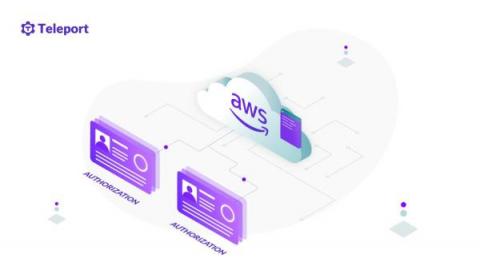
0:53 How Teleport work.
1:08 Teleport Demo
Backstage began life as an internal project at Spotify and was released as an open-source project in 2020. Its original intention was to be a central location where the company had a registry of all software they had in production but has since evolved into a much more advanced platform, including a plugins system that helps users extend the platform. This plugin system is a significant reason for Backstages success and drove adoption within the company.
In the summer of 2020, there was a big, short-lived spike in malicious Office documents. The Emotet crew had been quiet in the spring and began leveraging their botnet to send extremely convincing phishing emails to their victims, often with a link to download an invoice or other document from a popular cloud service. Those documents contained malicious code that installed backdoors, ransomware, bankers, and other malware on unsuspecting victims’ computers.