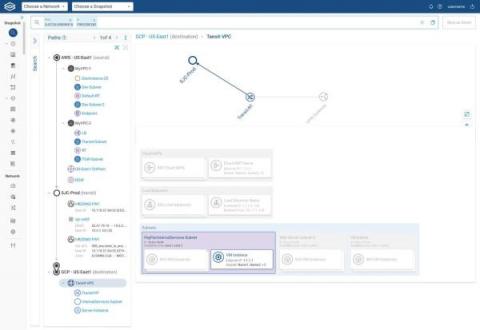
What is a microservice? Should you be using microservices? How are microservices related to containers and Kubernetes? If these things keep coming up in your day-to-day and you need an overview in 10 minutes, this blog post is for you. Fundamentally, a microservice is just a computer program which runs on a server or a virtual computing instance and responds to network requests.
It’s been more than a month since the SolarWinds breach first started dominating security headlines, and we’re still learning new details about the attacks and the organizations affected. Even as the discussion quiets down, it’s easy to imagine we’ll still be looking back and analyzing the full effects of these incidents in much the same way we talk about other seminal breaches and security events from the past 20 years.
If the pandemic, catastrophic wildfires, record-setting hurricane season, and “murder hornets” of 2020 have taught us anything, it’s to be prepared for any situation. In business, the motto is “hope for the best, plan for the worst.” Should some sort of disaster – cyber or otherwise – strike, organizations need to be prepared to maintain business as usual with a strong disaster recovery plan in place.
One unexpected consequence of the global pandemic is the acceleration of digital transformation across organizations of all sizes. With so many employees working from home, organizations realized they needed to upgrade to a cloud infrastructure to support everyone working remotely. As applications moved from on-premises to the cloud to support these new remote users, organizations needed to think about the APIs and microservices that connected users to essential applications.
I write a lot about how organizations can secure their workers as they start using tablets and smartphones more for work. The truth is, the legal professional has been ahead of that curve for years. Even before smartphones were introduced over a decade ago, lawyers, paralegals and legal staff were already using cellphones to stay on top of case work. Now, with smartphones and tablets, your law firm’s staff can do everything they used to do in an office from wherever they go.