Enabling Zero Trust for Your Mobile Devices
Find out how Zero Trust can protect your organization against a breach of your critical data.


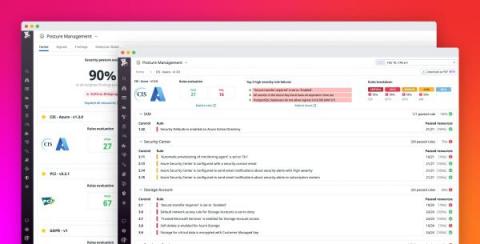
Governance, risk, and compliance (GRC) management presents some unique challenges for organizations that deploy a myriad of cloud resources, services, and accounts. Simple misconfigurations in any of these assets can lead to a serious data breach, and compliance issues become even more prevalent as organizations try to inventory and manage assets across multiple cloud platforms and security and auditing tools.
Supply chain attacks tripled in 2021, meaning a secure software development lifecycle is more important than ever. Do you know what open source software (OSS) components are in use within your organisation? Or how to find out?
If you work in networking or security, you have probably gotten used to the acronym stew that makes up the technology industry at times. By now you have surely heard the latest buzzword and what industry analysts have coined as security service edge (SSE). SSE is essentially the consolidation of Firewall-as-a-Service (FWaaS), secure web gateway (SWG), cloud access security broker, and Zero Trust Network Access (ZTNA) delivered as a cloud service.