Security | Threat Detection | Cyberattacks | DevSecOps | Compliance

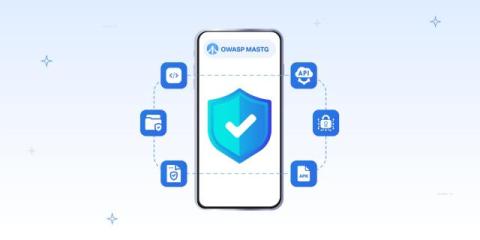
OWASP MASTG Best Practices Checklist for Mobile App Security

Mobile applications are at the heart of today’s digital experience, but with their convenience comes a growing landscape of security threats. For developers and security teams, simply building a functional app is no longer enough—protecting user data and business assets must be woven into every stage of the mobile app lifecycle. That’s where the OWASP Mobile Application Security Testing Guide (MASTG) steps in.


Vulnerability Data in Next Gen-SIEM with Falcon Exposure Management

Vulnerability data is often siloed and captured in static dashboards, disconnected from real-time investigation. But with Falcon Exposure Management streaming into NG-SIEM, that changes. This demo shows how teams can correlate live vulnerability events with endpoint behavior, network activity, and even cloud telemetry. Using a Firefox example, we trace active and historical exposure, revealing how ExPRT.AI, asset metadata, and cloud-aware context come together in Next Gen SIEM.

Website Vulnerability Scanners: How They Work and Boost Security

Website vulnerability scanners enable organizations to continuously identify vulnerabilities by crawling the website and its diverse parts, including web pages, third-party components, and software. It simulates attack techniques to detect weaknesses such as: These tools are essential in modern DevSecOps and continuous security testing environments, helping identify flaws early in the development or deployment lifecycle.

How Automated Vulnerability Scanners Can Improve Your Threat Detection

Web applications are central to how modern businesses operate, driving customer engagement, managing critical workflows, and enabling seamless digital experiences. But as applications become more dynamic and distributed, their attack surfaces grow more complex, and harder to defend. According to the 2025 Verizon Data Breach Investigations Report, 20% of confirmed breaches began with the exploitation of known vulnerabilities, a 34% increase over the previous year.

How to Decode Your Vulnerability Assessment Report for Real Security Gaps

A vulnerability assessment report is more than a technical document. It is a strategic blueprint for improving your organization’s security posture and reducing risks. When interpreted correctly, it empowers organizations to make informed security decisions, prioritize investments, and demonstrate ROI. Yet in many organizations, these reports are underused. They are treated as compliance artifacts or raw checklists rather than insights for strategic action.

CVE Trends to Watch: Real-World Risks to Telecom and Professional Services

Cybersecurity weaknesses span both software and hardware systems, creating numerous opportunities for exploitation. Among the most common access vectors leveraged by threat actors are phishing attacks and Common Vulnerabilities and Exposures (CVEs). When left unpatched, CVEs can pose significant risks to an organization’s systems, exposing sensitive data and operational assets to potential compromise.

Continuous Threat Exposure Management (CTEM): The Future of Vulnerability Assessment

As a cybersecurity expert, you are aware that performing static scans is only one part of a good defense-in-depth strategy. Similarly, periodic vulnerability assessments, while valuable, are only a single piece of cyber defense fortification. Continuous Threat Exposure Management (CTEM) establishes a logical setting to control organizational threats proactively. CTEM enables an augmented cybersecurity posture, active real-time risk mitigation, and threat precursor disabling.

Tokens & traps: Seven common OAuth vulnerabilities (plus mitigations)

In the world of modern web applications, the OAuth flow is our trusty gatekeeper, enabling seamless logins and secure data sharing. But its flexibility (designed to handle myriad use cases) is also its Achilles’ heel. A tiny misstep in URI validation or a missing state check can turn a robust token exchange into an open invitation for attackers, leading to serious OAuth vulnerabilities that compromise user data and application security.