Security | Threat Detection | Cyberattacks | DevSecOps | Compliance

Can We Manage Vulnerabilities with Two Giants in the Room?

Recently, the EU officially launched its vulnerability catalog: the European Vulnerability Database (EUVD). This move has sparked a discussion about the future of global vulnerability tracking. Are we headed toward fragmentation, or is this a healthy step toward decentralization?

Cloud Security Must Be a Pillar of Your Exposure Management Strategy

When it comes to exposure management at any organization, it’s natural to focus on vulnerability management and application security. They’ve been core parts of security programs for years; scanning infrastructure, fixing bugs, tightening code. But if cloud security isn’t part of the conversation too, you’re leaving critical risks uncovered.

OutscanNX: Reduce alerts and remediate what matters with RBVM

Last year, nearly 60% of cyber compromises were directly attributable to unpatched vulnerabilities – flaws that organizations knew about but hadn’t remediated in time. The problem with traditional vulnerability management (VM) approaches is they treat every finding equally, leaving security teams drowning in noise and fighting to sort serious risks from low-level tasks. This is where Risk-Based Vulnerability Management (RVBM) comes in.

Why Continuous Vulnerability Assessment Beats One-Time Scans for Real Security

Most organizations still treat vulnerability assessment (VA) as a checkbox activity, run a scan, generate a report, and move on. But security doesn’t work in isolated snapshots. Applications are dynamic, threats evolve by the hour, and even minor code changes can open new attack surfaces. This is where continuous vulnerability assessment (CVA) becomes essential.

Humans at the Center: Redefining the Role of Developers in an AI-Powered Future

In a previous blog, we discussed how AI is reshaping software development at every level. This shift means developers need new skills to stay effective. In fact, Gartner predicts that generative AI will require 80% of the engineering workforce to upskill through 2027. So what can today’s developers do to stay ahead? Here are a few steps to consider.

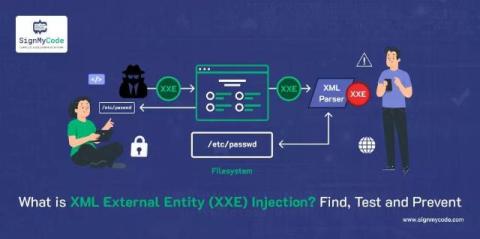
What is XML External Entity Injection? Find, Test and Prevent XXE Vulnerabilities

XML external entity injection or XXE, is a type of web security vulnerability and an application-layer cybersecurity attack. This vulnerability allows the hacker to interfere with an application while it is processing XML data. The attacker can inject unsafe XML entities into the application and can interact with systems to which the application has access. The hackers can also view files on the server and even perform remote code execution (RCE).

Why Vulnerability Remediation Breaks Down and How to Fix It

The biggest cybersecurity bottleneck for today’s enterprises isn’t detection. It’s remediation. Organizations are flooded with vulnerability data, but that flood rarely translates into effective action. Instead, security teams spend their time wrangling data, chasing tickets, and firefighting the same risks week after week. The outcome? Wasted effort, missed SLAs, and real business risk.

Beginner's Guide to Building an Enterprise Application Security Program

Software development moves fast; updates are deployed daily, and new features seem to roll out constantly. For security professionals and developers, this pace brings both opportunities and risks. Building an application security program from scratch can be daunting. Expanding attack surfaces, unclear roles and responsibilities, and an endless stream of vulnerabilities from disparate tools create a complex and challenging landscape to navigate.