Security | Threat Detection | Cyberattacks | DevSecOps | Compliance

Prioritizing Cybersecurity: Syteca Renews Cyber Essentials Certification

We’re announcing that Syteca has successfully renewed its Cyber Essentials certification — a crucial step in ensuring our continued commitment to strong cybersecurity practices. We have once again confirmed that our company is 92% more resilient than organizations operating in the UK without the certification. As cyberattacks evolve, taking proactive security measures is crucial.


Critical Security Threats Facing Governments Agencies

The cybersecurity risks facing government agencies have evolved dramatically in recent years. Foreign actors, criminal organizations, and malicious insiders are significant threats to sensitive operations and infrastructure. Agency leaders must focus on comprehensive security strategies that address sophisticated external attacks and potential insider risks.

15 Security Breaches Caused By Employees & How To Prevent Them

Your company invested millions in firewalls and security software, but your greatest vulnerability sits at a desk within your own walls and collects paychecks. Employee-caused security breaches—whether through negligence, lack of training, or malicious intent—account for 68% of data breaches each year. Even a single weak password or misclicked link can open the floodgates to data loss, financial damage, and reputational fallout.

Safeguarding Classified Information: How to Prevent Insider Data Breaches

Protecting military secrets is critical to national security. It’s not just about securing information; it’s about ensuring our safety and maintaining a strategic advantage. Sweeping legislation, technology, and security protocols are in place to prevent classified information leaks within Defense, which extend down to Defense contractors. However, despite technological advances, humans remain the weakest link when it comes to protecting national secrets.

The True Cost of Failure to Comply with NIS2

Cybersecurity regulations are constantly evolving to keep pace with emerging cybersecurity risks, and the Directive on Security of Network and Information Systems (NIS) is no exception. The introduction of NIS2 in December 2022 reshaped the compliance landscape across the EU, and organizations that don’t meet its requirements risk facing far more than just regulatory fines. The true cost of NIS2 non-compliance can be devastating, affecting not only finances but also business continuity and trust.

Insider Threats and Compromised Devices: How Network Monitoring Uncovers Security Blind Spots

Now more than ever, insider threats and compromised devices pose a significant challenge to organizations. Whether it’s a malicious insider exfiltrating sensitive data or an endpoint infected with advanced malware, these threats are often difficult to detect using conventional security tools. According to the 2023 Cost of Insider Risks Report by Ponemon Institute, insider threats cost organizations an average of $15.4 million per incident, and incidents take an average of 85 days to contain.

PHI Data Protection in Healthcare: How User Activity Monitoring (UAM) Improves Visibility and Compliance

Data protection is a top priority for healthcare organizations, with patient trust and regulatory compliance hinging on securing sensitive information such as Protected Health Information (PHI). Traditional access control and Data Loss Prevention (DLP) solutions focus on restricting access and preventing unauthorized file transfers but do not provide visibility into how, where, and through which communication channels sensitive data is shared.

Shadow IT: What Are the Risks and How Can You Mitigate Them?

Using unapproved tools, software, and devices poses a significant risk to your organization. You never know what vulnerabilities so-called “shadow IT” may introduce, leaving your sensitive data and systems exposed to potential threats. In this article, we define the term shadow IT and explore several reasons why employees use unapproved software.

The Spy Who Searched Too Much: Insider Threat Lessons from the Rippling-Deel Lawsuit

The recent Rippling-Deel lawsuit is a stark reminder of the devastating impact of insider threats. This high-profile case between two HR tech unicorns reveals how vulnerable even the most innovative companies can be when protecting their trade secrets from within. What could Rippling have done to catch the alleged spy in the first place? We’ll walk you through the case and highlight how an insider threat platform could have detected and prevented the incidents earlier.

10 Insider Threat Indicators & How to Prevent Them

Insider threats are rising, and most organizations aren’t ready to stop them. 76% of companies have seen an increase in insider threats over the past five years, but fewer than 30% feel equipped to handle them. These threats don’t trigger alarms like external attacks—they unfold quietly, often going undetected until it’s too late.

Remote Work Security Threats and How to Stop Them

It’s safe to say that remote work is here to stay, and hybrid arrangements seem to be getting a boost in 2025. While flexible work models are highly desirable for employees, they create new cybersecurity challenges for businesses. Remote work has quickly become the norm, causing businesses to rethink security protocols. Implementing security measures outside of a centralized office requires a robust strategy—so how can you effectively mitigate risk while still ensuring operational efficiency?

Insider Risk with Nightfall DLP: Episode 1 - Prevent Personal Cloud Store Uploads

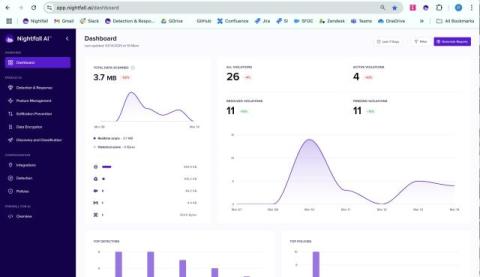
Insider risk is a tricky challenge for security teams: how can you tell the good actors from the bad, or intentional actions from mistakes? Anyone with approved access to endpoints and SaaS systems could expose data to exfiltration risk if those systems are focused solely on preventing outsiders from getting in.

10 Privileged Access Management Best Practices

Privileged access management (PAM) is the cornerstone of data security and operational efficiency. A well-structured PAM strategy not only reduces the risk of security threats but also enhances IT processes and productivity in an organization. However, implementing an effective PAM strategy requires a comprehensive approach.

Syteca Privileged Access Management: Key Features

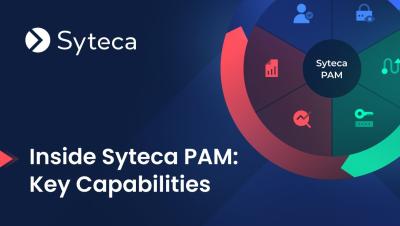
What’s Inside Syteca Privileged Access Management? Get a clear, visual breakdown of the key capabilities included in Syteca PAM — a fast-to-deploy, easy-to-scale solution for securing privileged access and simplifying compliance. Key Features: Account discovery and onboarding to eliminate security gaps Granular access controls for precise privilege management Privileged session monitoring with real-time visibility Credential management & vaulting to secure sensitive data Comprehensive audit logs & reporting for compliance.

5 Best Practices to Prepare for NIS2 Compliance

Organizations must always be aware of the constantly changing compliance landscape to protect their sensitive assets and avoid paying millions in fines. The rapid development of cyber threats fueled by the global pandemic and cyberwarfare has forced the European Union (EU) to update its NIS Directive. We understand the pain of having to read hundreds of requirements and legislation documents, so we’ve done it for you.

How To Detect Indicators Of Compromise In Your Business

Don’t wait until your data is compromised—be proactive. Listen, most cyberattacks don’t start with an obvious warning. There’s no flashing red alert, no system shutdown—just subtle anomalies that seem harmless at first. But those small details? They’re Indicators of Compromise—signs that an attacker may already be inside your network.

How To Protect Privileged Accounts From Insider Threats

While many organizations focus on mitigating external cyber threats, insider threats can target privileged accounts with elevated access to sensitive data or systems. Based on Cybersecurity Insiders’ Insider Threat Report, 83% of organizations suffered at least one insider attack in 2024.