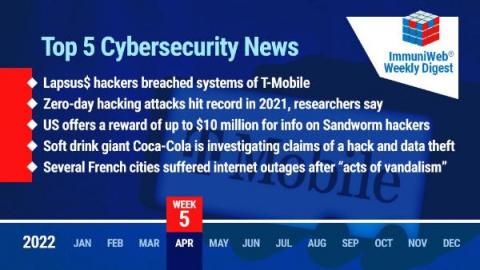
Lapsus$ Hackers Breached Systems of Telecom Giant T-Mobile
Read also: Coca-Cola investigates a possible hack, the US offers a $10 million reward for info on Sandworm hackers, and more.


Read also: Coca-Cola investigates a possible hack, the US offers a $10 million reward for info on Sandworm hackers, and more.
The advance of the 21st century brought with it a significant shift in the work scene. Every industry and field relies heavily on computers and the digital world to function seamlessly. However, with it came the ever-mounting fear of cyber attack. Among the many forms of cyber attack is a watering hole attack, also known as a supply chain attack. In a watering hole attack, attackers mainly try to compromise a user by infecting the user’s computer and gaining access to the network.
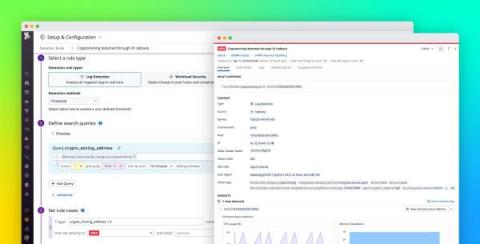
Cryptocurrency mining (or crypto mining) can be a lucrative yet resource-intensive operation, so cyber threat actors are targeting more organizations in order to take advantage of their cloud resources for mining. Datadog Cloud SIEM can now help you monitor your cloud-based systems for unwanted crypto mining via a built-in detection rule. All you need to get started is to configure your resource logs with Datadog’s @network.client.ip standard attribute.
Attack Surface Assessment tools enable information security teams to look at their organizations “outside-in” from the attacker’s point of view, prioritizing the issues that attackers will see first.
Handling our system memory safely and protecting it from harmful programs and other programs that are prone to executable code run from a data page on different memory locations and specific data section is a challenging task. The essential Windows programs and services have been a big step forward in easing that task.
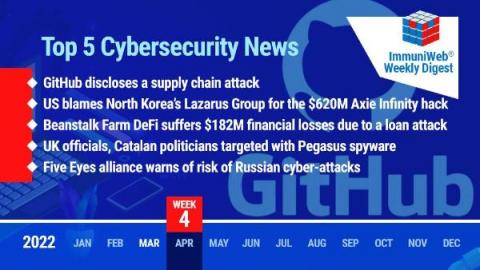
Read also: the US blames North Korea’s Lazarus Group for the $620M Axie Infinity hack, Beanstalk Farm suffers $182 million financial losses due to a cyber-attack, and more.
Today’s threat landscape is evolving rapidly. Attackers are constantly adjusting their tactics and finding new ways to infiltrate organizations with increasingly sophisticated attacks to steal valuable data. As such, businesses and IT professionals must remain up to date on the industry’s latest threat intelligence in order to better understand the current state of this cybersecurity landscape and know their enemies to shore up defenses.
As mentioned in SecurityScorecard’s (SSC) previous Zhadnost blog posts (part one and part two), the DDoS attacks against Ukrainian and Finnish websites do not appear to have a lasting impact, as the sites were back online within hours of the attack.