The proliferation of third-party software components such as open source software(OSS) has triggered a growing need to keep track of it all. Why? Because when security vulnerabilities inevitably crop up in open source components, it’s pretty important to know whether your company uses that piece of code – or whether it appears in the myriad software dependencies inherent in open source.
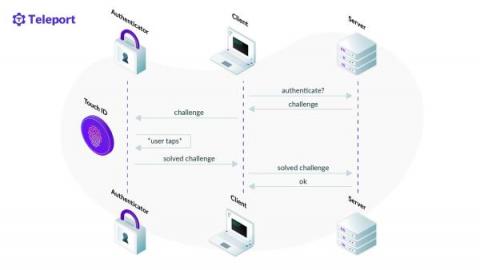
Passwordless is a form of authentication that doesn't require users to provide passwords during login. That much you could glimpse from the name, but how does it work? What are its trade-offs? This blog post will do its best to explain to you how passwordless can be implemented using modern technologies such as Web Authentication (WebAuthn), while at the same time providing better user experience and security than the traditional password-based approach.
As security researchers, we see new malicious methods being introduced on a daily basis from the ever-industrious global cadre of malicious actors. But not all of the things we find constitute breaking news. Sometimes, we run across something that doesn’t necessarily pose a threat, but still piques our interest. Instead of being the security equivalent of a four-course meal, it’s more of an amuse bouche.
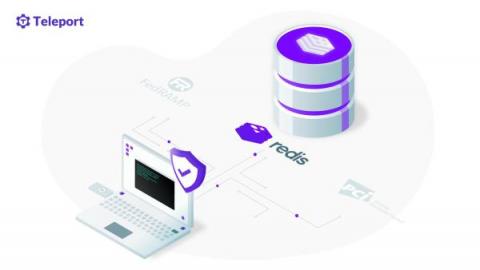
Redis is an in-memory data store that stores data in key-value pairs. It’s primarily used as a cache for quick data access, as a database, and as a message broker. Redis doesn’t have a default authentication setup in place exposing it to security vulnerabilities, which if exploited could potentially affect the infrastructure of the entire organization. These security vulnerabilities are what make securing your Redis database so important.
To grasp the concept of a Kubernetes Deployment and Kubernetes Deployment strategy, let’s begin by explaining the two different meanings of the term “deployment” in a Kubernetes environment: Kubernetes Deployment allows you to make declarative updates for pods and ReplicaSets. You can define a desired state and the Deployment Controller will continuously deploy new pod instances to change the current state to the desired state at a controlled rate.
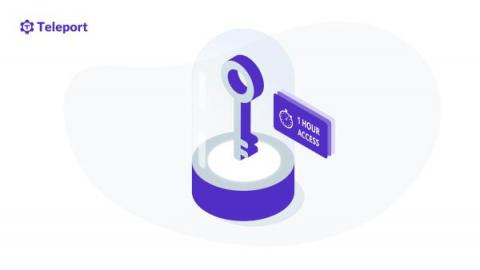
As software companies grow, they start to see exponential growth in resources needed to support the business. A startup can quickly go from a few servers and a handful of databases to a sea of Kubernetes clusters. Managing access to all of these resources comes with a myriad of problems. One problem at scale is deciding who can access what resources and how to provide relevant access to those resources on-demand.
Terraform is an infrastructure as code (IaC) solution that enables DevOps teams to use coding concepts to automatically deploy on-premise or public cloud infrastructure components. These components may include virtual machines, network components, storage, applications, or database services. Terraform provides HashiCorp Language (HCL).