Security | Threat Detection | Cyberattacks | DevSecOps | Compliance

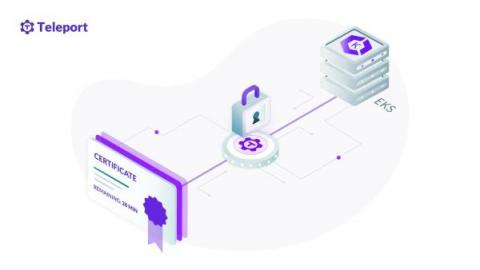
Secretless, Identity-based Infrastructure Access

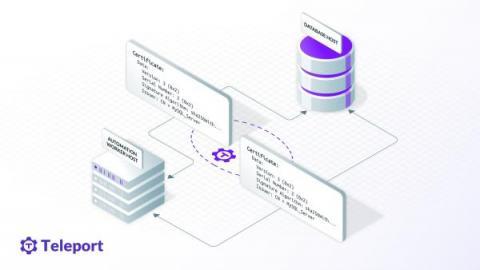
Passwords are everywhere. Sometimes they are obvious — hardcoded in the code or laying flat in the file, but other times they take the form of API keys, tokens, cookies, or even second factors. Devs pass them in environment variables, vaults mount them on disk, teams share them over links, and copy them to CI/CD systems and code linters. Eventually, someone leaks, intercepts, or steals them. Because they pose a security risk, there is no other way to say it: passwords in our infrastructure have to go.

Using Containers Responsibly

Tools to package your applications and services into container images are abound. They’re easier to use and integrate into your CI/CD pipelines now more than ever. We can appreciate these advancements in the form of time savings and decreasing complexity when deploying to a cloud native environment, but we cannot completely ignore the details involved in these technologies. It’s tempting to take simplicity for granted, but sometimes we do this at the expense of keeping our software safe and secure!

Everything You Need to Know About CI/CD and Security

CI/CD is a recommended technique for DevOps teams and a best practice in agile methodology. CI/CD is a method for consistently delivering apps to clients by automating the app development phases. Continuous integration, continuous delivery, and continuous deployment are the key concepts. CI/CD adds continuous automation and monitoring throughout the whole application lifetime, from the integration and testing phases to delivery and deployment.

Keeping your Kubernetes Backup Data Private with Azure Private Link

At CloudCasa, as a cloud-native backup-as-a-service provider, we are often dealing with customer concerns about the security and privacy of their data. Sometimes the concern is almost paradoxical because the data and application they are protecting is publicly accessible and running inside the public cloud. However, there are times when organizations use public cloud infrastructure with a network architecture that resembles a private cloud.

What You Need to Know About Linux Auditing

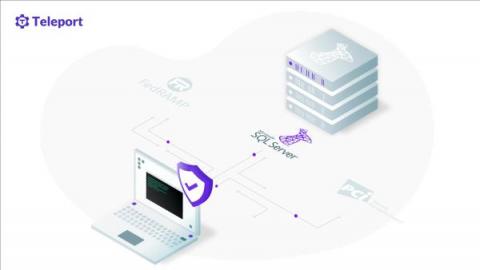
None of us want to look into a production audit system, as this most likely happens after a security breach or a security incident. Over the years, people have come up with many ideas to see what applications are doing. Almost all databases keep event logs to prevent data loss. Systems such as Kubernetes generate events for every action, and applications that probably run in your production also implement some structured logging for the same reason. But what can we do if all of that is not enough?