Software development organizations are investing more and more resources in their vulnerability management programs. According to Gartner’s forecast, in 2021 enterprise security spending was expected to break records and grow 12.4% to reach 150.4 billion. But how do organizations know if they’re spending their security resources wisely? The answer can only be found by crunching the numbers.
In January of 2021, CodeCov suffered a supply chain attack that exposed client environment variables. In the following months, the specifics of the breach and its technical applications have been thoroughly examined by the application security community to determine what went wrong and how to combat similar attacks in the future. But another interesting outcome of the breach were the insights into a slightly less glamorous topic: responsible disclosure.
We’re happy to announce the open beta of C/C++ security scanning in Snyk Open Source, enabling development and security teams to find and fix known security vulnerabilities in their C/C++ open source code and libraries! Used across various industry verticals and prominent within the gaming, hardware/IoT, and communications industries, C/C++ continues to have a major impact on software development and the technology space as a whole.
The JFrog Security research team continuously monitors popular open source software (OSS) repositories with our automated tooling, and reports any vulnerabilities or malicious packages discovered to repository maintainers and the wider community. Most recently we disclosed 11 malicious packages in the PyPI repository, a discovery that shows attacks are getting more sophisticated in their approach.
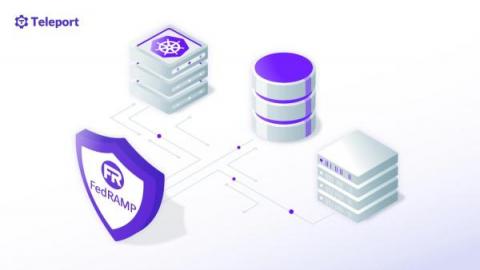
In our last blog post How to Pass a FedRAMP Audit for SaaS Providers: Part 1 , we looked at what FedRAMP is and why it matters for SaaS providers. We also discussed a success story with one publicly traded Teleport SaaS customer who used Teleport to pass their FedRAMP audit.
There were several security assessments and compliance frameworks in Kubescape before we released ARMOBest – NSA-CISA and MITRE. Naturally, people ask, why another one? Especially, if it’s not coming from a well-known source that some people may be required to comply with. Some frameworks, like MITRE, are designed bottom-up, mainly focusing on the infrastructure. Others, like NSA-CISA, are designed top-down, paying more attention to the application side.