Using Teleport to Secure SSH and Kubernetes Access
Open Security Summit Nov 12, 2021. Using Teleport to Secure SSH and Kubernetes Access. By Sakshyam Shah Teleport is a Certificate Authority and an Access Plane for your infrastructure.


There are many software deployment tools to deliver software and updates to your endpoints, but just because you have a lot of options doesn’t mean it has to be confusing. You might pick one software deployment tool to do it all, or you might pick several automated software deployment tools depending on your needs.
In a previous blog post, we took a look at Java’s custom serialization platform and what the security implications are. And more recently, I wrote about how improvements in Java 17 can help you prevent insecure deserialization. However, nowadays, people aren’t as dependent on Java’s custom serialization, opting instead to use JSON. JSON is the most widespread format for data serialization, it is human readable and not specific to Java.
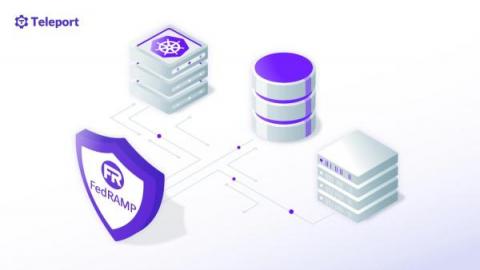
You work at a SaaS provider, and now you need to pass a FedRAMP audit. If that describes you, read on. This post will tell you (almost) everything you need to know about how to pass a FedRAMP Audit. For the rest, reach out to us. We will put you in touch with one of our Solution Engineers like me who have helped some of the largest SaaS providers in the world pass their FedRAMP audit prior or after IPOing. It’s what we do.
Kubernetes’ last release for the year v1..23 will be released next week Tuesday, December 7, 2021 The Christmas edition of Kubernetes comes with 45 new enhancements to make it more mature, secure, and scalable. In this blog, we’ll focus on the critical changes grouped into the Kubernetes API, containers and infrastructure, storage, networking, and security. Let's start with the “face of Kubernetes”, which makes it scalable and expandable.
We are very excited to announce that Snyk has achieved AWS Security Competency status, further validating our commitment to security excellence in partnering with AWS!