Stranger Danger: Your Node.js Attack Surface Just Got Bigger
Snyk helps software-driven businesses develop fast and stay secure. Continuously find and fix vulnerabilities for npm, Maven, NuGet, RubyGems, PyPI and more.


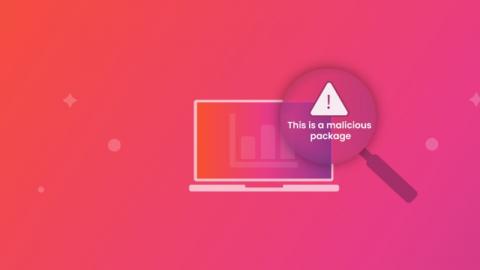
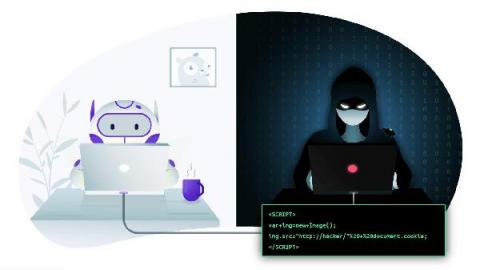
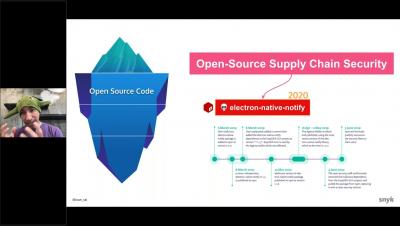
Open source helps developers build faster. But who’s making sure these open source dependencies (sometimes years out of development) stay secure? In a recent npm security research activity, Snyk uncovered a total of 8 npm packages which matched a specific malicious code vector of attack. This specific attack vector of the malicious packages included packages which had pre/post install scripts, which allowed them to run arbitrary commands when installed.
We are happy to announce Snyk Open Source support for GitHub Security Code Scanning, enabling you to automatically scan your open source dependencies for security vulnerabilities and license issues, as well as view results directly from within GitHub’s Security tab! A key ingredient of Snyk’s developer-first approach is integrating Snyk’s security data into the exact same processes that developers are using, whether this is within a developer’s IDE or a Git-based workflow.
Writing a web application that supports securely logging into a website and managing your credentials is a surprisingly difficult task. You have to develop a way to manage sessions, understand how browsers store state (cookies), learn a cryptographically safe password storing technique (like bcrypt), all the while making sure you mitigate common web security vulnerabilities like XSS and CSRF.
As organizations continue to rely on software for core business processes, application security is an ever-critical consideration. Snyk recently held a roundtable with Reddit to discuss application security in 2021. In this post, we’ll recap the discussion between Guy Podjarny, President & Co-Founder of Snyk, and Spencer Koch, Security Wizard at Reddit.
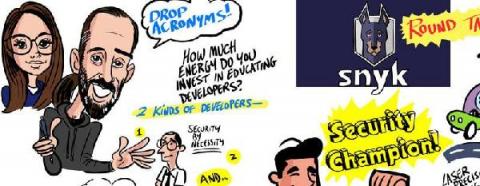
I recently attended a Snyk roundtable with Intuit, and it was such a good session that I wanted to write a post sharing some of the insightful discussion and takeaways — starting with this great artistic impression of the session! As a TL;DR, here are my biggest takeaways from the session.
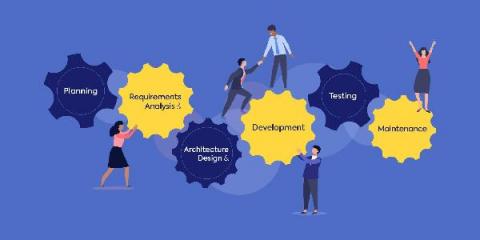
The ever-evolving threat landscape in our software development ecosystem demands that we put some thought into the security controls that we use throughout development and delivery in order to keep the bad guys away. This is where the secure software development life cycle (SSDLC) comes into play. Organizations need to make sure that beyond providing their customers with innovative products ahead of the competition, their security is on point every step of the way throughout the SDLC.