Security | Threat Detection | Cyberattacks | DevSecOps | Compliance

The latest News and Information on Insider Threats including employee monitoring and data privacy.

Employee Monitoring and CCPA/CPRA Compliance

Employee monitoring has become a standard practice for organizations seeking visibility into productivity, security, and operational efficiency. However, monitoring employees, especially in jurisdictions like California, requires careful alignment with privacy laws such as the California Consumer Privacy Act (CCPA) and its amendment, the California Privacy Rights Act (CPRA). This article provides a high level overview of how employee monitoring intersects with CCPA/CPRA requirements.
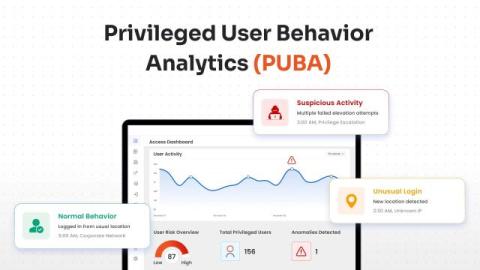
Privileged User Behavior Analytics (PUBA): How It Detects Insider Threats?

Privileged accounts are the most powerful and most vulnerable identities in any organization. System administrators, DevOps engineers, and IT teams have access to core systems, sensitive data, and critical infrastructure. This level of access is essential for daily operations, but it also makes these accounts highly attractive targets for attackers. The real challenge is not just tracking activity, but understanding whether that activity is normal or not.

How to Track and Monitor Employee AI Usage

Artificial intelligence is rapidly moving from an experimental phase to a fundamental business requirement. While tools like ChatGPT can turn hours of data analysis into minutes of work, they also introduce a new era of Shadow IT and data security risks. If you’re concerned about sensitive spreadsheets being uploaded to third-party AI or want to ensure your team is seeing a true return on investment, you need a clear strategy for monitoring employee AI usage.

Behavioral Visibility: Moving Beyond Activity to Understand Engagement, Sentiment, and Intent

As work becomes more distributed and digital behaviors, both human and non-human, become more complex, organizations need more than activity data; they need context to understand risk, performance, and intent. Behavioral visibility analyzes workforce behavior patterns to detect engagement, sentiment, and insider risk signals. It helps security, IT, HR, and leadership identify emerging risks earlier, reduce false positives, and make more informed, proactive decisions in complex work environments.

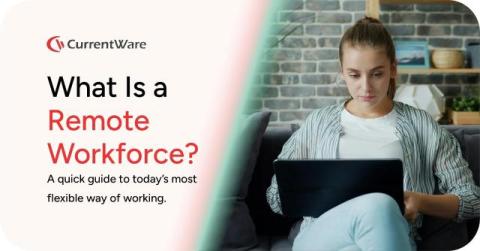
What is a Remote Workforce? Key Insights and Strategies for Success

A remote workforce is defined as having employees who perform their work away from a traditional office setting. Commonly, remote employees work from home or some other location with internet access. A co-working space is another popular flexible remote work environment, offering a dedicated and professional setting outside the home or traditional office.

What is Generative AI Security? Types, Risks & Best Practices

Generative AI security is the practice of protecting generative artificial intelligence models, applications, and their underlying training data from cyber attacks, data leakage, and unauthorized access. It focuses on securing both sides of the system—i.e., the AI itself (models, pipelines, APIs) and the sensitive data flowing into and out of it during real-world use.

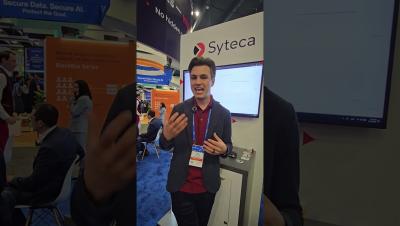
How does Syteca keep #userprivacy during #useraccount monitoring? | #Syteca #cybersecurity

It’s a huge concern, and Syteca's philosophy is 'Security Made Practical'. We launched a first-to-market real-time (data masking) feature. While records the session for security, it automatically obscures personal passwords, credit card numbers, and SSNs during the live recording. You get the forensic evidence you need for compliance like or without ever actually seeing the user's. It builds trust because the monitoring is focused on the risk, not the person.

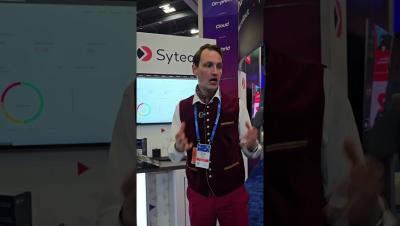
Syteca's approach to stopping a #breach in progress | #pam #itdr #cybersecurity

Prevention is great, but it’s just the front door. Syteca is built for the reality that someone will eventually get inside. Our approach is to move from passive logging to active 'Auto-Containment'. Because our is reinforced with native , the platform doesn't just send an alert when it sees lateral movement or a risky command — it can automatically terminate that session or block the user instantly. We make containment a real-time technical action rather than just a post-incident manual process.

How does Syteca's #ITDR change the way we handle hashtag#incidentresponse? | Syteca PAM

It shifts your team’s response strategy from reactive to proactive. Traditional tools might tell you a credential was used, but Syteca’s ITDR tells you how it was used. Get real-time insights and visibility into privileged sessions, or review session recordings afterward to gain context. With Sensitive Data Masking to protect personal information during an investigation, Immutable Logs, and searchable history, your team can reconstruct a full incident timeline in minutes. provides the forensic-grade evidence needed to prove regulatory while simultaneously stopping attacks in their tracks.