Why SSH security practices need to change (and how 1Password can help)
SSH key management practices reflect the environment in which they were first introduced. The 1Password SSH agent is a big step toward aligning practices with the modern world.


SSH key management practices reflect the environment in which they were first introduced. The 1Password SSH agent is a big step toward aligning practices with the modern world.
With high-profile data breaches making headlines on a regular basis, it’s no wonder that data security is top of mind for so many organizations. But what exactly is data security posture management (DSPM)? In this blog post, we’ll take a closer look at DSPM and how it can help your business keep its data safe and secure.
As National Insider Threat Awareness Month draws to a close, Egnyte is taking this opportunity to reinforce everyday best practices that companies like yours need to follow. The goal of the month is to educate U.S. government and industry leaders about the risks of insider threats and how to effectively address them.
In the days of on-prem data centers and early cloud adoption, the roles of application developers, infrastructure operations, and security were largely siloed. In the cloud, this division of labor increases the time-to-market for innovation, reduces productivity, and invites unnecessary risk.
Higher education institutions, like colleges and universities, often work with dozens of third-party vendors, which can introduce considerable security risks if the school doesn't maintain a proper vendor risk management (VRM) program. Compromised third parties can pose serious risks to universities, which can expose sensitive data, disrupt business continuity, or incur serious financial damages.
That’s a good question if you’ve been curious about what it is and if it applies to you. For example, do you have a cloud product that the US Government would gain benefit from using? Are you being asked to seek a security approval or an “ATO” by your customer? We’ll go through the basics of FedRAMP in this article to help you understand where you stand in that process. FedRAMP is a government-wide program.
Ransomware is the fast-growing category of cybercrime. It’s estimated that over 4,000 ransomware attacks occur daily. Given the sheer volume of these attacks and the deep attack surface connections between organizations and their vendors, there’s a high likelihood that some of your employee credentials have already been compromised in a ransomware attack, which means the keys to your corporate network could currently be published on a ransomware gang’s data leak site.
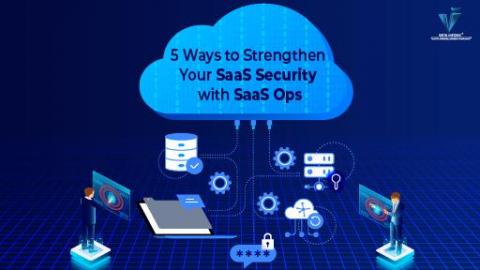
Many organizations have multi-cloud setups, with the average corporation employing services from at least five cloud providers. Compatibility problems, contract breaches, non-secured APIs, and misconfigurations are among the security hazards cloud computing brings, which is popular. SaaS configurations are an attractive target for cybercriminals because they store a large amount of sensitive data, such as payment card details and personal information.
Read also: Australia to toughen cybersecurity laws following a recent data breach, Meta cracks down on Russian disinformation, and more.