Prof. Avishai Wool, AlgoSec co-founder and CTO, stresses the importance of getting the often-overlooked function of managing network objects right, particularly in hybrid or multi-vendor environments.
In December 2020, Microsoft came forward with details regarding what is now being considered the most extensive, severe cyberattack in history—the NOBELIUM attack. This shocking security breach by NOBELIUM, a group of Russian hackers, brought the cybersecurity world to a standstill with its well-planned and well-executed hacking. It compromised several organizations through a supply chain attack.
It is becoming increasingly difficult to guarantee a safe boundary for your sensitive data. As work-from-anywhere cements, employees are now collaborating freely with each other, with contractors and with partners. But this freedom to collaborate more broadly also means information is being shared among devices, applications and networks that your organization doesn't necessarily have control over.
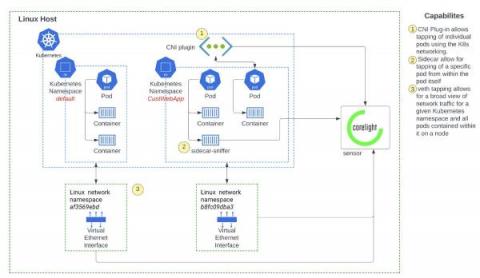
Network monitoring solutions can overcome the security visibility blind spots in Kubernetes environments, by providing a source of truth for SOC analysts. Container security solutions broadly span the spectrum of (a) prevention - securing the container image and ensuring the right policies are in place during runtime and (b) detection - monitoring runtime events for threat detection and investigation.
Amidst sweeping digital transformation across the globe, numerous organizations have been seeking a better way to manage data. Still in the beginning stages of adoption, data fabric provides many possibilities as an integrated layer that unifies data from across endpoints. A combination of factors has created a digital environment where data is stored in several places at once, leaving cracks in security for fraudsters to take advantage of.
As the new year continues to unfold, cybersecurity budget holders will be deep into the process of identifying where to allocate funds to best enhance protection against cyberthreats. The good news is that budgets are rising, with industry commentators frequently reporting that companies are committing more money to strengthening their posture against persistent and sophisticated threats.
It’s no secret that cloud service providers like AWS, Google Cloud, and Azure give teams incredible power and flexibility when it comes to delivering great solutions and user experiences to a global customer base. Leveraging the power of one or more clouds is often seen as a critical competency for an organization to succeed.
It’s not your imagination; Zero Trust (ZT) is everywhere these days. Indeed, one study reports that 96% of security decision-makers say ZT is critical to their organization’s success, and another study notes that 51% of business leaders are speeding up their deployment of ZT capabilities. But exactly what is Zero Trust and why is it the top security priority for organizations around the globe?
GraphQL is an API query language developed by Facebook in 2015. Since then, its unique features and capabilities have made it a viable alternative to REST APIs. When it comes to security, GraphQL servers can house several types of misconfigurations that result in data compromise, access control issues, and other high risk vulnerabilities. While security issues with GraphQL are widely known, there’s little information on finding them outside of using dynamic analysis.