Security | Threat Detection | Cyberattacks | DevSecOps | Compliance

From Silos to Synergy: Unifying Your Security Tools for a Stronger More Resilient Software Supply Chain

In the race to secure today’s ever-expanding attack surface, many companies have made a practice of using a mix of tools to monitor, assess, and remediate threats. This practice has resulted in a fragmented and chaotic landscape of security solutions across several teams, increasing complexity and forcing companies to have a reactive vs. proactive security posture.

CTI Roundup: SystemBC, ShinyHunters, AI-obfuscated Phishing

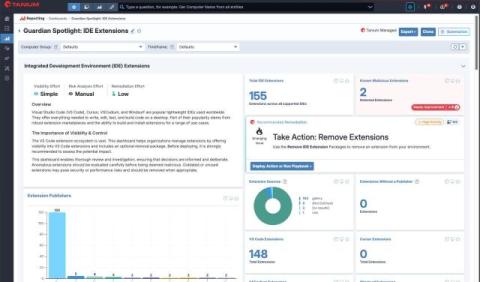
This week, Tanium’s Cyber Threat Intelligence (CTI) team investigates SystemBC, a large-scale proxy botnet that’s leveraging compromised virtual private server (VPS) infrastructure to support cybercriminal operations, including ransomware and credential theft. Next, the team looks at ShinyHunters—a financially motivated data extortion group that’s now targeting enterprise cloud applications.

From Fragmented Intel to Unified Response

Threat intelligence holds incredible promise—but only if it translates into timely, decisive action. Too often, security teams chase disconnected data across fragmented tools, incompatible formats, and siloed workflows. The result? Slower response times, missed threats, and exhausted SOC analysts. The answer is clear: unified intelligence. That’s the power of the Securonix Unified Defense SIEM and ThreatQ integration—streamlined, contextualized, and built for action.

Stop Chasing Noise. Start Stopping Breaches.

Security teams are drowning in alerts. False positives, duplicates, and low-value signals overwhelm analysts, delay response, and drive burnout. The result: real threats slip through, costs spiral, and boards lose confidence in security’s ability to deliver measurable outcomes. To be Breach Ready and Board Ready, SOCs must cut through the clutter and focus on what matters most. That’s where Securonix Noise Cancelation comes in.

Empowering ultimate HIPAA telehealth compliance for secure remote healthcare

The rapid evolution of telehealth has transformed the way patients connect with healthcare providers. As remote care becomes increasingly mainstream, ensuring that these digital interactions are secure, private, and fully compliant with HIPAA is more critical than ever. In this guide, we’ll explore the world of HIPAA compliance in telehealth, examine what it means for remote care providers, and offer practical tips to help you secure your telehealth platform.

Overcoming Alcohol Addiction in Ontario: How Personalized Inpatient Rehab Changes Lives

Alcohol addiction continues to be a serious public health challenge in Ontario. Despite the availability of resources, many individuals struggle to access care that genuinely addresses the root causes of addiction on alcohol and promotes sustainable recovery. That's where personalized inpatient rehab stands out-offering not only 24/7 medical supervision and structured detoxification but also deep emotional healing through individualized, holistic treatment approaches.

When Electricity Meets Cyber: How Electric Firms Must Harden Their Systems

The electric sector is undergoing a digital revolution. From smart meters to automated substations, electricity providers now rely heavily on software, connected devices, and real-time data analytics. While this transformation drives efficiency, sustainability, and innovation, it also exposes power grids and electrical systems to cyber risks. As cyberattacks on critical infrastructure become more frequent, firms must not only harden their systems but also strengthen their workforce to meet this evolving challenge.

Beyond Compliance: Why Continuous Threat Monitoring Pays for Itself

Compliance sets the floor, not the ceiling. Audits confirm paperwork and control intent, attackers test reality, but continuous threat monitoring closes that gap. It watches live behavior, flags anomalies, and guides a fix before damage spreads. This protects revenue, customers, and brand trust. It also streamlines operations. In this article, you will learn why a living signal beats static rules, and how it pays for itself.