Ransomware attack vectors: what your organisation needs to look out for
In this blog post, we outline some of the most common types and the steps organisations should take to defend themselves.


It has been 10 years since Project Basecamp, a research project conducted by Digital Bond that investigated how critical operational technology (OT) devices and protocols were, to use the term they coined, “insecure by design.” Since then, we have seen hugely impactful real-world OT malware such as Industroyer, TRITON, Industroyer2 and INCONTROLLER abusing insecure-by-design functionality.
While studying for my master's degree in cyber security, I co-authored a paper regarding the rollout of IoT devices and the security considerations that businesses need to address to ensure these devices are secure. The paper underscored how a large majority of IoT devices used vulnerable components and did not follow basic secure programming principles.
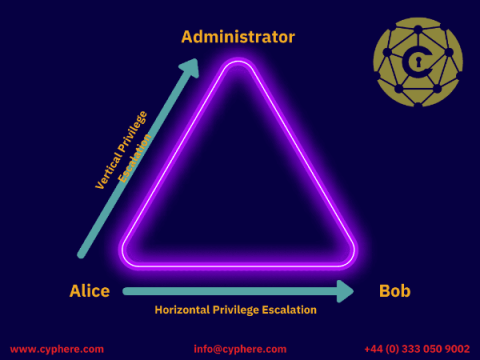
When a system is breached, compromised or exploited, the attackers never stop after getting the initial access because it doesn’t give them privileged access. And the same thing goes in an offensive security assessment, i.e. infrastructure penetration testing or a red team assessment.
Open source software is a key component in modern applications. It has created a new era in software development, promoting a free exchange of ideas within the developer community and enabling developers to build more functional software, faster than ever. Based on most estimates, 70-90% of any piece of modern software includes open source code.
Attackers use container escape techniques when they manage to control a container so the impact they can cause is much greater. This’s why it is a recurring topic in infosec and why it is so important to have tools like Falco to detect it. Container technologies rely on various features such as namespaces, cgroups, SecComp filters, and capabilities to isolate services running on the same host and apply the least privileges principle.
The dark web is the seedy underbelly of the internet. Unlike the surface web, criminals, spies, freedom fighters, and hacktivists can operate anonymously on the dark web, making it a popular place for illicit activity. Legitimate internet users also use it to protect their privacy in a world where people are increasingly mistrustful of digital giants like Google and Facebook. But it’s very easy to accidentally view illegal, dangerous, and traumatizing material on the dark web.
2022 has brought in tighter cybersecurity restrictions and privacy regulations around the world. With the escalation of cyber threats due to the accelerated digital transformation and the Russian invasion of Ukraine, governments globally have made decisions to step up their cybersecurity defense and introduce new measures to protect businesses or national security.
Today on the Future of Security Operations podcast, Thomas is joined by Jack Naglieri, CEO of Panther Labs, a cloud-native SIEM platform that alleviates the pain of traditional SIEM with detection-as-code, a robust security data lake, and huge scalability with zero-ops.