Security | Threat Detection | Cyberattacks | DevSecOps | Compliance

What is incognito mode and is it really safe?

Ever used incognito mode and thought, “Nice, now no one can see what I’m doing?” The truth is, incognito mode doesn’t make you invisible online. Incognito mode helps keep your activity private on your device by not saving your browsing history, cookies, or autofill data once you close the window. That’s great for shared devices or logging into multiple accounts—but it doesn’t stop tracking beyond your browser.

Why Agentic AI Breaks Legacy Identity - and What Infrastructure Leaders Must Do Next

Agentic AI is fundamentally changing how software operates, and in doing so, it breaks the identity and access models that many organizations still rely on. Unlike traditional applications, agentic systems are non-deterministic, long-running, and capable of autonomous decision-making across infrastructure, data, and production services. These systems do not fit within legacy identity assumptions built for humans, static workloads, perimeter controls, or long-lived credentials.

AI Impact Summit 2026: Day 1 Highlights with Protecto #shorts #ai

In this first official episode of our Event Diary series, we take you inside AI Impact Summit 2026 at Bharat Mandapam, New Delhi. We had the chance to interact with a massive range of AI leaders—from visionary startup founders and engineers to data and compliance teams at major enterprises. The biggest takeaway? Companies are looking for ways to fast-track their compliance and enable their data safely. At Protecto, that is exactly what we’re solving.

From Threat Article to Deployed Detection Rules Automatically with @claude Code and LimaCharlie

When a new security incident surfaces, threat intelligence is only useful if you can act on it quickly. This video shows how Claude Code, combined with LimaCharlie, compresses that gap significantly.

Secure your desktop apps with 1Password SDKs

Bring secure, human-in-the-loop authentication directly into your desktop applications. In this video, we introduce desktop authentication support in the updated 1Password SDKs. Your desktop tools and local scripts can now securely access vault items using the native 1Password prompts users already trust. Unlike service accounts, this approach supports human-in-the-loop workflows. Users stay inside your application while explicitly approving access to their secrets.

Secure your secrets at runtime with the 1Password CLI and Environments

Stop storing secrets in.env files. In this video, we show you how to use 1Password Environments to securely inject environment variables at runtime without storing plaintext on disk. You'll see how the same 1Password Environment powers: 1Password Environments provide secure, read-only access to environment variables across development and production workflows. Key benefits: No plaintext secrets on disk Least-privilege access controls Secure runtime injection Works with CLI, SDKs, and service accounts Reliable automation across macOS and Linux.

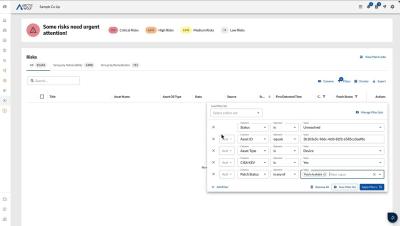
Vulnerability Remediation: From Scan Results to Real Fixes

Vulnerability scanning is useless if you don’t fix what you find. This short breaks down a practical vulnerability remediation process to prioritize risk, patch faster, and reduce real-world exposure. Learn how security teams move from detection to closure, without months of backlog.

How AI is Reshaping Cyber Threats

In Episode of Guardians of the Enterprise, Ashish Tandon, Founder & CEO, Indusface, spoke with Madhur Joshi, CISO at HDB Financial Services (part of the HDFC Group), about how AI is reshaping the cyber threat landscape. They discussed how attackers are now leveraging AI to launch more sophisticated phishing campaigns, automate malware, and scale attacks faster than ever before. As AI lowers the barrier to entry, the speed and complexity of attacks continue to increase, making it harder for organizations to keep up.

The New CISO Podcast Ep. 141 - Dean Sapp | Six Steps for Better Communication as a CISO

In this episode of The New CISO, host Steve Moore speaks with Dean Sapp, CISO and Data Protection Officer at Filevine, about one of security's most critical yet overlooked skills—written communication. Drawing from a brutal college English class that failed students for a single typo and over 20 years building security programs in the legal tech industry, Dean reveals why the ability to articulate security findings clearly separates average professionals from exceptional leaders who drive real business impact.