In May 2021 President Joe Biden issued out Executive Order 14028. The order focused on “Improving the Nation’s Cybersecurity” to support and protect the nation’s critical infrastructure and Federal Government networks. This directly relates to the trustworthiness and transparency in ALL digital infrastructure – IT, OT, IoT, IIoT.
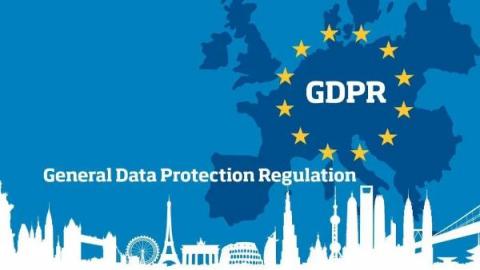
GDPR Regulation is an international Data Privacy law that upholds the rights of citizens of the EU. It gives citizens more control over how their data is used in the organization. If your company handles the personal information of people in the EU, then they are expected to comply with GDPR. Like any other regulation, GDPR too requires an organization to abide by the rules and requirements outlined in the law.
The rapid increase of cybersecurity challenges in recent years, such as growing ransomware attacks, has forced the US to devise new mandatory regulations. These requirements are aimed to help combat cybercrime by increasing organizations’ level of cybersecurity capabilities. Complying with these regulations is necessary to keep organizations accountable for their mandatory security posture.
Data privacy rules have never been crucial for organisations to follow until the General Data Protection Regulation (GDPR) enforcement. This blog is divided into two sections. The first section will discuss a general overview, definitions and common queries related to a data protection policy. The second section will explain how a business can write and operationalise a data protection policy.
When the Biden administration released Executive Order 14028, “Improving the Nation's Cybersecurity”, it included guidance to enhance the security of the nation’s software supply chain. As a result, key building blocks are being developed to both strengthen software security and bolster software Supply Chain Risk Management (SCRM) programs across the Federal government.
The second quarter of 2022 offered plenty of positing on privacy, both in the U.S. and internationally. In the U.S., we saw the addition of another state privacy law, and a spark of hope in privacy professionals’ eyes with the introduction of tangible federal legislation. Plus, the Federal Trade Commission (FTC) is positioned to act on rulemaking like never before.
General Data Protection Regulation (GDPR) demands the implementation of numerous procedures and processes. A significant portion of this effort will be reflected in your GDPR-compliant Privacy Policy. However, a lot is going on behind the scenes.