Security | Threat Detection | Cyberattacks | DevSecOps | Compliance

Unprecedented Rise of Malvertising as a Precursor to Ransomware

Cybercriminals increasingly used malvertising to gain initial access to victims’ networks in 2023, according to Malwarebytes’s latest State of Malware report. The researchers note that the Royal ransomware group has been using phony ads for TeamViewer to deliver malware as a precursor to its ransomware attacks.

APT29's Attack on Microsoft: Tracking Cozy Bear's Footprints

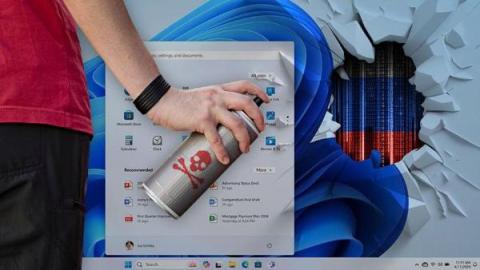
A new and concerning chapter has unfolded in these troubled times of geopolitical chaos. The Cozy Bear threat actor has caused significant breaches targeting Microsoft and HPE, and more are likely to come. These recent events have sent shockwaves throughout the tech community, and for good reason. As we continue to uncover the fallout from these breaches, it has become apparent that the magnitude of the incident is more significant than we first realized.

STOP ransomware spamming in Usenet

Cyjax analysts have identified the distribution of STOP ransomware on Google Groups through mass spam attacks on Usenet. Over 385,000 posts have been observed, which contain malicious links resulting in ransomware infection. This campaign, henceforth referred to as “STOPNET.GG”, has been in operation since at least May 2023, and is ongoing at the time of writing.

Building and managing malware analysis labs with Tines workflows

Understanding malware is essential to defending an organization against attacks. Analyzing suspicious applications helps us determine if an alert is a false positive, and the information discovered can be used to help remediate an incident or strengthen a system's defenses against further attacks.

Product Quality at Rubrik - Part 2

In our previous blog, we discussed the importance of product quality, different types of testing we rely on at Rubrik, and how automated testing plays a pivotal role in ensuring quality of our products. Relying heavily on Unit, Component and Integration testing is important. But there will be code paths which we may not be able to cover using these types of tests. In the picture below, we can see a high-level view of our solution.

How to secure your cloud credentials against AndroxGh0st

On January 16, the U.S. Cybersecurity and Infrastructure Security Agency (CISA) and the Federal Bureau of Investigation (FBI) sent out a Cybersecurity Advisory (CSA) about active threat actors deploying the AndroxGh0st malware. This is significant as cyber criminals are actively using this malware to target Laravel (CVE-2018-15133) (an open source PHP framework).env files and obtain credentials for various high profile applications like Office365, SendGrid, and Twilio.

Another Year of RATs and Trojan Stealer: Detection Commonalities and Summary

In 2023, Remote Access Trojans (RATs) and Trojan Stealers were some of the most prevalent types of malware in the cybersecurity landscape. RATs and Trojan Stealer malware represent significant cybersecurity threats, as they’re often employed to conduct espionage, surveillance, and data theft, which emphasizes the critical need for robust defenses.

Trustwave SpiderLabs Uncovers Ov3r_Stealer Malware Spread via Phishing and Facebook Advertising

During an Advanced Continual Threat Hunt (ACTH) investigation that took place in early December 2023, Trustwave SpiderLabs discovered Ov3r_Stealer, an infostealer distributed using Facebook advertising and phishing emails. SpiderLabs’ “Facebook Advertising Spreads Novel Malware Variant,” is an in-depth dive into Ov3r_Stealer, exposing what the Threat Hunt team learned about the threat actors, their techniques, tactics, and procedures and how the malware functions.