In 2020, I published an AT&T blog called “Top Cybersecurity Trends & Predictions for 2020’”. In the article I had forecasted that cybersecurity would become even more of a strategic priority for companies as the cost, sophistication, and lethality of breaches would continue to rise.
The Sysdig Threat Research Team has detected an attack that can be attributed to the TeamTNT. The initial target was a Kubernetes pod exposed outside the network. Once access was gained, the malware attempted to steal AWS credentials using the EC2 instance metadata. TeamTNT is a threat actor that conducts large-scale attacks against virtual and cloud solutions, like Kubernetes and Docker.
Finland’s National Cyber Security Centre (NCSC-FI) has issued a warning about malicious SMS messages that have been spammed out to mobile users, directing iPhone owners to phishing sites and Android users to download malware. The messages are written in Finnish but without the customary accented characters. In some instances, the messages pose as a notification that the user has received a voicemail message, or a communication from their mobile network provider.
This is part 2 of Trustwave’s 2022 Cybersecurity Predictions blog series. In 2021, the cybersecurity industry was truly tested. Most notably, we uncovered the deeper fallout from the SolarWinds attacks, combatted the proliferation of advanced ransomware gangs and a surge in vulnerability exploitation, and saw fragile supply chain and critical infrastructure more targeted by attackers than ever.
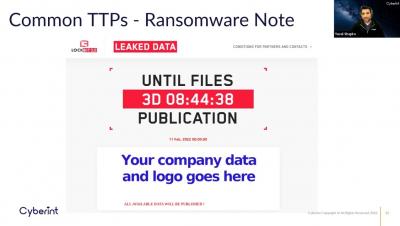
The real risk of business disruption, brand damage, and potential liabilities caused by ransomware attacks has elevated cybersecurity from a technical or operational issue normally handled by security teams, to a major Board level priority and discussion. Even the most sophisticated and mature organizations that once believed their cybersecurity defenses were robust are now rethinking their preparedness and response capabilities required to address the imminent threat of ransomware attacks.
Security researchers are warning biomanufacturing facilities around the world that they are being targeted by a sophisticated new strain of malware, known as Tardigrade. The warning comes from the non-profit Bioeconomy Information Sharing and Analysis Center (BIO-ISAC) which revealed that at least two large facilities working on manufacturing bio-drugs and vaccines have been hit by the same malware this year, in what appear to be targeted attacks.