Psst! Now you can securely share 1Password items with anyone
1Password customers can now securely share virtually anything in their 1Password vault with anyone – even if the recipient doesn’t use 1Password.


1Password customers can now securely share virtually anything in their 1Password vault with anyone – even if the recipient doesn’t use 1Password.
Congratulations to the Kubespray team on the release of 2.17! This release brings support for two of the newer features in Calico: support for the eBPF data plane, and also for WireGuard encryption. Let’s dive into configuring Kubespray to enable these new features.
Just in time for KubeCon + CloudNativeCon North America 2021, Catalogic Software launched the general availability of its premium service for CloudCasa, a powerful Kubernetes backup service that is easy to use, affordable and comes with a generous free service tier. With our Activate Your Kubernetes Backup Superpower theme at KubeCon, CloudCasa unleashes the backup superpower for DevOps and IT teams.
With the rapid growth of ransomware attacks, enterprises all share the same concern: “If we get hit by ransomware, can we recover?” The reality is, when traditional security products fail and data is compromised, the stakes are high, and IT and Security teams are often left on their own. So we asked ourselves, can we give them the ultimate assurance that Rubrik will be there for them?
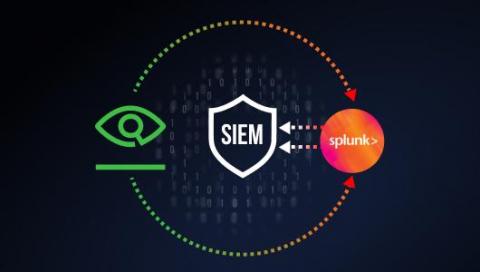
Here at AT&T Cybersecurity, we believe cyber protection should include multiple layers and cover as much ground as possible. Having full visibility into threats on the network and being able to automate actions against them not only reduces an organization’s risk but also frees up time for security teams to focus on other high-value security tasks.
With the rise in popularity of technologies such as HashiCorp Terraform, Docker, and Kubernetes, developers are writing and maintaining more and more configurations in addition to building the application itself. The growing use of infrastructure as code presents security complexity and the potential for risk that developers often struggle with as their workloads increase and more advanced skills are required.
We’re kicking off a new series that will roll up our most recent product releases you need to know, all in one place. This first post will summarize some of the releases from the last few months. Moving forward, expect to see a post each month. We’re excited to share all the new features and product improvements we’ve been working on with you, so you can make the most of the Egnyte platform.
Making security an intrinsic part of a DevOps pipeline is a “must-have” for organizations looking to secure their applications earlier in the development process. The combination of JFrog Artifactory and JFrog Xray enables organizations to build security into all phases of their software development lifecycle, so they can proactively detect and mitigate open source software (OSS) security vulnerabilities and license compliance issues that impact their software.
What was once the thing of spy movies and industrial espionage news headlines is now, sadly, a common occurrence for public organizations and private enterprises around the globe. Insiders… employees, consultants, partners… have emerged as one of the most immediate and serious threats facing IT and cyber security teams and practitioners today. It is not however because every insider has turned malicious.
Nightfall has added remediation actions for Google Drive violations, so you can fix the issue automatically or with just a click. Nightfall for Google Drive is one of our most popular integrations, helping customers to discover and classify sensitive data across Google Drive. Once sensitive data violations are found to exist in Google Drive, you want to take steps to protect the data – because removing the risk is really the point, isn’t it?