Security | Threat Detection | Cyberattacks | DevSecOps | Compliance

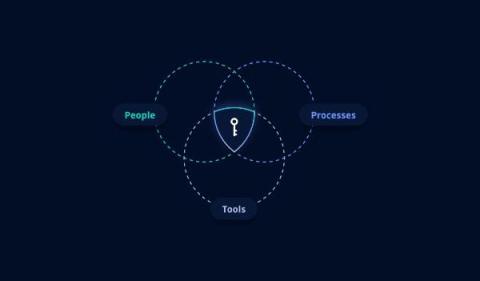
Combining IT and OT security for enhanced cyber risk management

Historically, IT and OT have operated in separate worlds, each with distinct goals and protocols. IT, shaped by the digital age, has always emphasized the protection of data integrity and confidentiality. In this space, a data breach can lead to significant consequences, making it crucial to strengthen digital defenses. On the other hand, OT, a legacy of the Industrial Revolution, is all about ensuring machinery and processes run without interruptions.


The Cost of Cybercrime in the US: Facts and Figures

The importance of cybersecurity is no secret in our increasingly digital world. Even individuals who have no experience or expertise in tech or related fields are aware of the threat of hacking, phishing, and the like. It can be difficult, however, to actually quantify the risks of being targeted by these attacks.

See More, Act Faster, and Simplify Investigations with Customizable Workflows from Splunk Enterprise Security 7.2

In our latest release of Splunk Enterprise Security 7.2, we are excited to introduce capabilities that deliver an improved workflow experience for simplified investigations; enhanced visibility and reduced manual workload; and customized investigation workflows for faster decision-making. The majority of these updates and new features were requested directly from Splunk Enterprise Security (ES) users and submitted through the Splunk Ideas portal.

How we operationalize security risk assessments at Vanta

This post is part of an ongoing series where you’ll hear directly from Vanta’s own Security, Enterprise Engineering, and Privacy, Risk, & Compliance Teams to learn about the team’s approach to keeping Vanta—and most importantly, our customers—secure. In today’s post, you’ll hear from Rob Picard, who leads Vanta’s Security team, and Matt Cooper, who leads Vanta’s Privacy, Risk, & Compliance team. ‍

How to Fix Your Domain Name Registrar Issues

Your domain is the route that all users, including your current and prospective customers, take to access your organization on the internet. While your actual system is set up with server IP addresses likely in a cloud environment, your users won't use a string of numbers to access your website. Instead, they will use your domain name and Domain Name System (DNS) routing to get to your site.

How To Avoid Credit Card Fraud Online

You can avoid credit card fraud online by securing your online accounts, avoiding saving your payment information on websites, being cautious of phishing scams, keeping a look out for credit card skimmers and more. Continue reading to learn more about how you can avoid credit card fraud online and how to report it if you’re a victim.