Security | Threat Detection | Cyberattacks | DevSecOps | Compliance

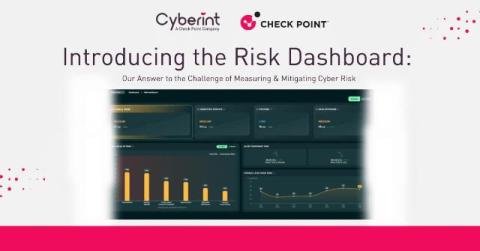
Introducing the Risk Dashboard: Cyberint's Answer to the Challenge of Measuring & Mitigating Cyber Risk

Cyber security is now a major focus for organizations of all sizes and across all industries. Despite the increased attention on cyber—and corresponding boost in budgets—many organizations still struggle to effectively measure and report on their cyber program. This challenge has broader implications, as justifying your budget and headcount is much more difficult if you can’t clearly show results and success to the board.

24/7 IT Helpdesk: 7 Ways to Optimize Support Around the Clock

Running a support team that never sleeps is no small feat. A 24/7 IT Helpdesk requires more than extended hours. It demands coordination, practical tools, and small operational tweaks that make a lasting impact. Below are seven focused ways to make your helpdesk more effective and consistent-no matter what time it is.

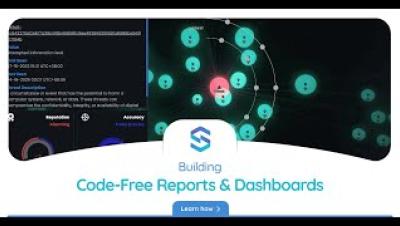
Creating Custom Dashboards in UTMStack

In this video, I walk you through the process of creating custom dashboards and visualizations in UTMStack SIEM. I demonstrate how to build various types of visualizations, such as pie charts and bar charts, to effectively display alert data. I also highlight the importance of adding filters for better data management and how to set up auto-refresh for real-time monitoring. Please make sure to follow along and try creating your own dashboards as we go through the steps together!

Introducing the Mend.io Value Dashboard: Measure and Showcase Your Security Impact

Security teams today face increasing pressure to quantify the effectiveness of their application security programs. Whether it’s justifying security investments to leadership or demonstrating compliance with regulations like PCI DSS, HIPAA, and GDPR, teams struggle to showcase the real impact of their security efforts. Without clear, actionable data, proving that an AppSec program is actively reducing risk becomes a challenge. That changes today.

Making Application Security simple with a new unified dashboard experience

Over the years, we have framed our Application Security features against market-defined product groupings such as Web Application Firewall (WAF), DDoS Mitigation, Bot Management, API Security (API Shield), Client Side Security (Page Shield), and so forth. This has led to unnecessary artificial separation of what is, under the hood, a well-integrated single platform.


Announcing Our UI Update and In-product Dashboards

At LimaCharlie meeting our customer’s needs is a top priority. This means were usually working on new features, extensions, and expanded functionality for the platform. However, we have also received feedback regarding our UI and general suggestions for improving user experience. That is why we’re pleased to announce that we’ve just released a new UI update. You can use the new UI by clicking on the gear icon in the top right corner of the screen.

Simplify SOC Reporting with Customizable Dashboards

SOC teams often wrestle with clunky, siloed reporting tools that lack real-time, connected capabilities. Analysts end up buried under a mountain of fragmented xdata, forcing teams to spend valuable hours tracking down answers to their most pressing questions, rather than tackling threats head-on. At Torq, we feel SOC reporting should be your power move, not a painful process.

Integrating Cybersecurity Functions into Dashboards: Examples with Open Source Frameworks

Cybersecurity has become a non-negotiable aspect of modern technology, with businesses and individuals alike seeking smarter ways to protect their digital assets. Among the most effective solutions are interactive dashboards that provide real-time insights and control over security measures. Leveraging vue dashboard framework like AdminForth, developers can seamlessly integrate security features to create custom, open-source dashboards that enhance visibility and control. These tools offer an accessible and cost-effective way to streamline cybersecurity operations.