Security | Threat Detection | Cyberattacks | DevSecOps | Compliance

K3s + Sysdig: Deploying and securing your cluster... in less than 8 minutes!

As Kubernetes is eating the world, discover an alternative certified Kubernetes offering called K3s, made by the wizards at Rancher. K3s is gaining a lot of interest in the community for its easy deployment, low footprint binary, and its ability to be used for specific use cases that the full Kubernetes may be too advanced for. K3s is a fully CNCF (Cloud Native Computing Foundation) certified Kubernetes offering.

Extending Your Fortinet FortiManager to Kubernetes

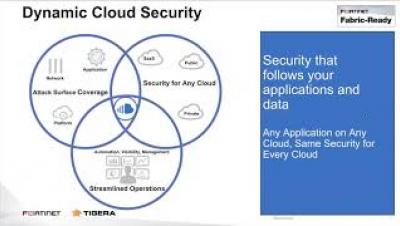
Tigera and Fortinet have joined forces to solve this operational challenge. With the combination of FortiManager and Calico Enterprise, you gain access control and full visibility into the container environment along with centralized management. In this webinar, you will learn how Calico Enterprise and FortiManager enable you to.
Featured Post

Container Inspection: Walking The Security Tightrope For Cloud DevOps

Containers are at the forefront of software development creating a revolution in cloud computing. Developers are opting for containerization at an impressive rate due to its efficiency, flexibility and portability. However, as the usage of containers increases, so should the security surrounding it. With containers comprising of many valuable components it is of the utmost importance that there are no vulnerabilities exposed when developing applications, and risks are mitigated before containers, and their contents, reach the end-user.

Extend Your Fortinet FortiManager to Kubernetes

Companies are leveraging the power of Kubernetes to accelerate the delivery of resilient and scalable applications to meet the pace of business. These applications are highly dynamic, making it operationally challenging to securely connect to databases or other resources protected behind firewalls.

Calico and K8s Network Policies - An Overview and Comparison

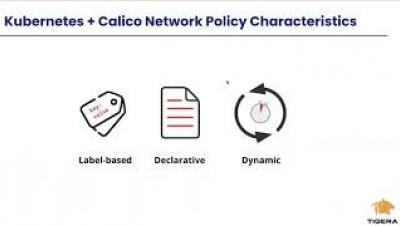
In an age where attackers are becoming more and more sophisticated, network security as a line of defense is more important than ever. Network Policy is the primary tool for securing a Kubernetes network. It allows you to easily restrict the network traffic in your cluster so only the traffic that you want to flow is allowed. In this training session, we will go over the core concepts in Kubernetes Network Policies and Calico Network Policies. Compare and contrast between the two models, and highlight when to use one versus the other.

CNCF Webinar: Critical DevSecOps considerations for Multicloud Kubernetes

The distributed nature of Kubernetes has turned both legacy infrastructure and traditional cybersecurity approaches on their heads. Organizations building cloud-native environments in their own data centers grapple with operationalizing and scaling Kubernetes clusters, and then ensuring system-wide security from the infrastructure layer all the way up to each container. In this webinar, you’ll hear from two cloud-native experts in infrastructure and security who will offer up valuable insights on.

CNCF Webinar: Getting started with container runtime security using Falco

Protect Kubernetes? As Kubernetes matures, security is becoming an important concern for both developers and operators. In this talk, Loris Degioanni (CTO and Founder @Sysdig) will give an overview of cloud native security, discuss its different aspects, with particular focus on runtime, and explain what inspired the development of Falco, the CNCF container security project. Through demonstration, he will educate the CNCF community on the ways Falco is being used for real-world workloads. Lastly, he will share the latest on Falco’s adoption, maturation within CNCF and what’s on the horizon.

Kubernetes Security

Containers and Kubernetes have revolutionized the way many teams deploy applications. But with the many benefits that these technologies provide come new challenges. Key among those challenges is security. By adding more layers and complexity to application environments, containers and Kubernetes create new opportunities for attackers and new security threats for Kubernetes admins to address.

Secure Networking for Openshift

The Kubernetes network model defines a flat network in which pod connectivity is unimpeded, with no restrictions on what traffic is allowed to or from each pod. To make a cluster production ready you need to make this networking secure. Network Policy is the primary tool for doing this and is essential to understand before considering moving a cluster to production.

Kubernetes Q3-2020: Threats, Exploits and TTPs

Kubernetes has become the world’s most popular container orchestration system and is taking the enterprise ecosystem by storm. At this disruptive moment it’s useful to look back and review the security threats that have evolved in this dynamic landscape. Identifying these threats and exploits and being a proactive learner may save you a lot of time and effort…as well as help you retain your reputation in the long run.